Intent
The EYFS is where our St. Paul’s children begin their school life, and we aim to provide them with the foundational skills they need to grow and flourish as they continue their learning journey with us.
We ensure that children’s first experience of school is happy, positive and fun, and we foster a love of learning and inquisitive minds through our carefully designed, aspirational curriculum, which enables all pupils to progress, no matter their starting point. Our intent is to nurture each child as an individual, building on their interests and curiosity to shape our provision. Enabling environments, communication-friendly spaces and high-quality interactions provide the foundations children need to embrace our school vision and values.
Implementing
Our newly revamped EYFS department and bespoke curriculum effectively cater for and support the seven areas of the Early Years curriculum.
The entire setting has recently been redesigned and resourced to a high standard to provide stimulating and engaging areas of learning, both indoors and outdoors. Our outdoor area is fully accessible for all pupils, including those with SEND. We believe that there is never inappropriate weather – just inappropriate clothing.
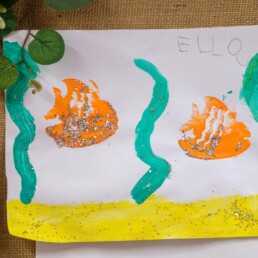
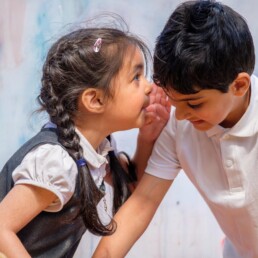
We deliver an excellent curriculum tailored to our pupils’ needs, which nurtures their skills, abilities, interests and characteristics of effective learning. There is a clear progression of knowledge and skills, and our overarching learning themes align with our new schemes of learning, as well as calendar and seasonal events.
Staff are highly skilled in creating purposeful learning environments, ensuring that continuous provision is progressive from Nursery through to Reception. This is enhanced through high-quality teaching interactions, opportunities for pupils to ask and answer questions, carefully planned enhanced provision, and activities linked to children’s interests and curiosity about the world around them. These opportunities are also closely linked to our carefully selected Super Six high-quality texts.
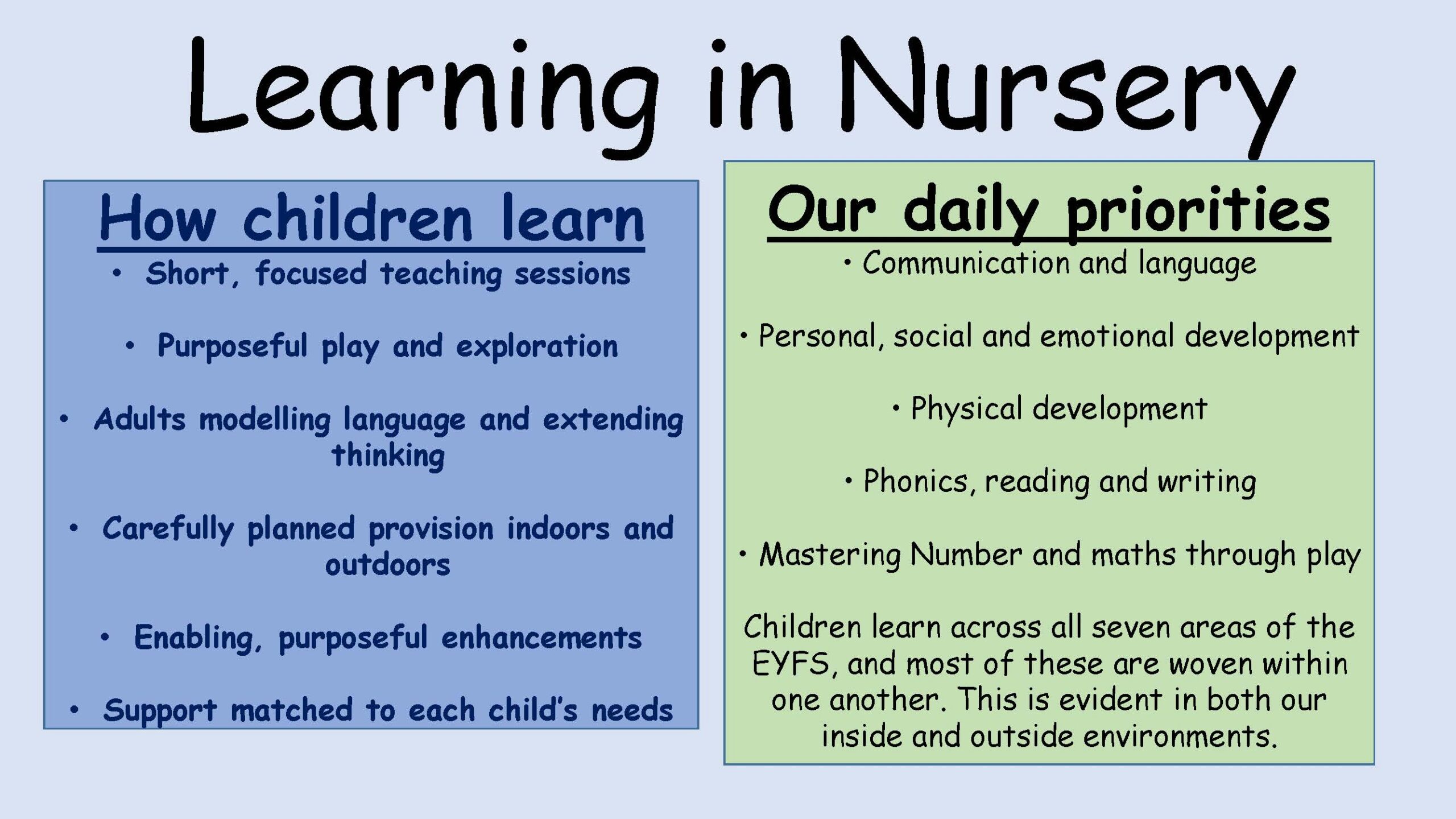
Within the EYFS, we provide a strong foundation of high-quality continuous provision and enabling environments, creating opportunities for children to choose and direct their own learning through informed decision-making based on their interests. Our indoor environment includes communication-friendly spaces, where children are challenged, encouraged to team-build and collaborate, deepen their knowledge, and develop their vocabulary.
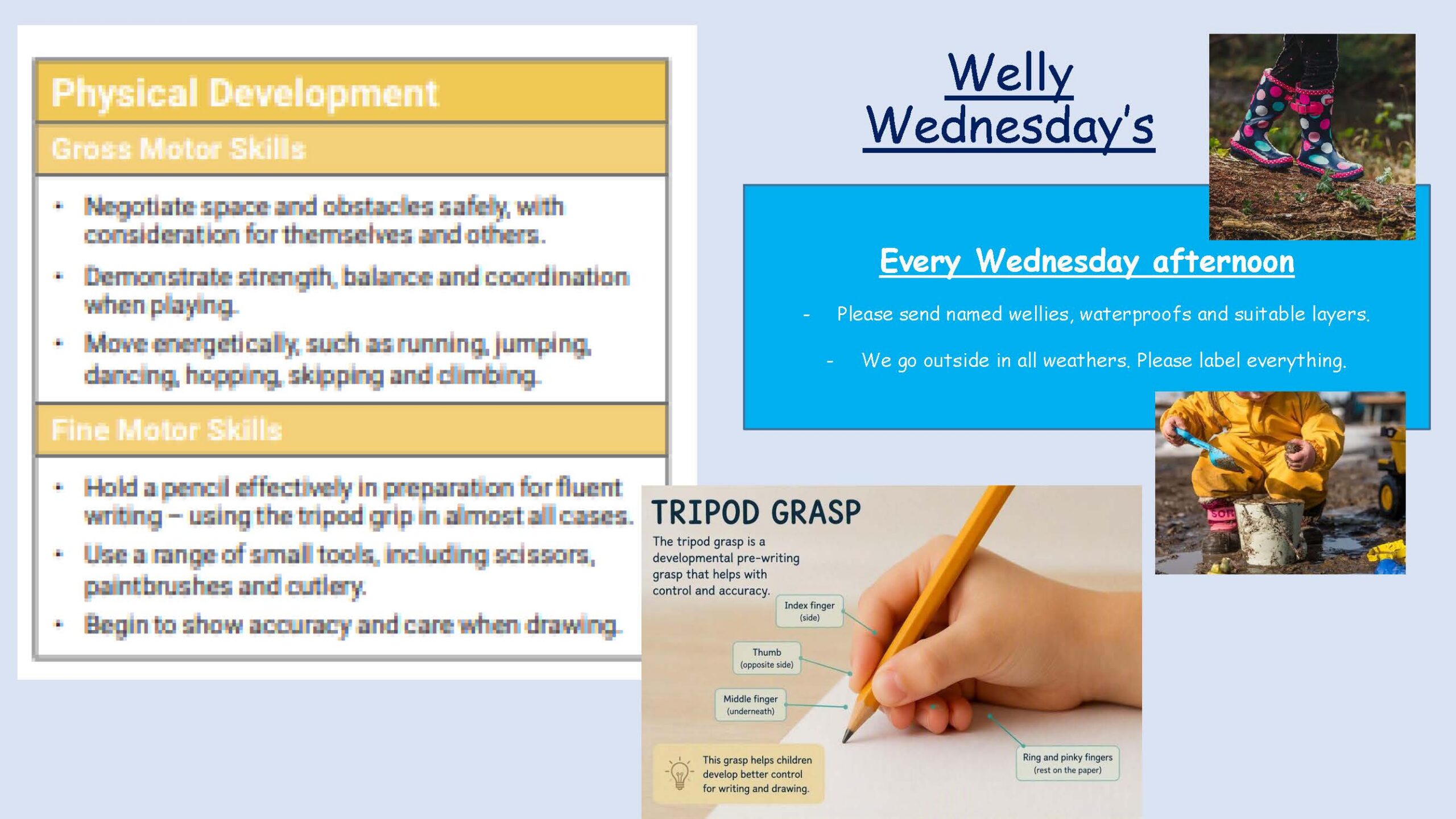
Our learning environments are also carefully planned to offer a wide range of opportunities for children to strengthen and develop their gross motor skills. All EYFS staff take responsibility for the planning and resourcing of the indoor area with the class teachers and the EYFS manager taking the lead in promoting excellent practice.
The following areas are available to children at all times and feature opportunities for reading, writing and maths.
• Home Corner
• Reading Area
• Mark Making / Writing Stations
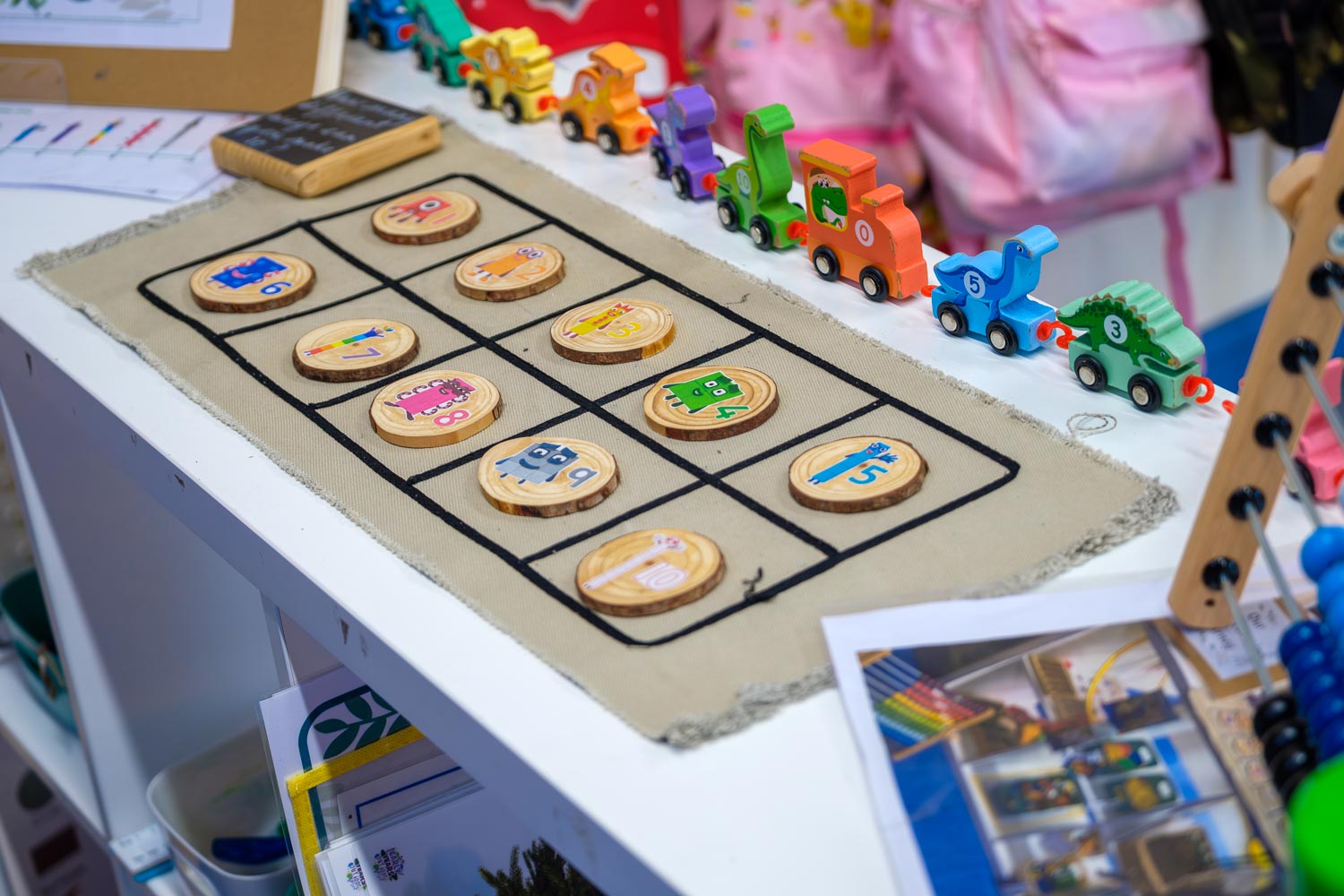
• Maths Station
• Loose Parts / Construction / Small World
• Awe and Wonder
• Nature and Our World
• Transient Art
• Sand / Sensory Play
• Creative Area


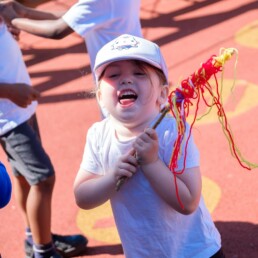

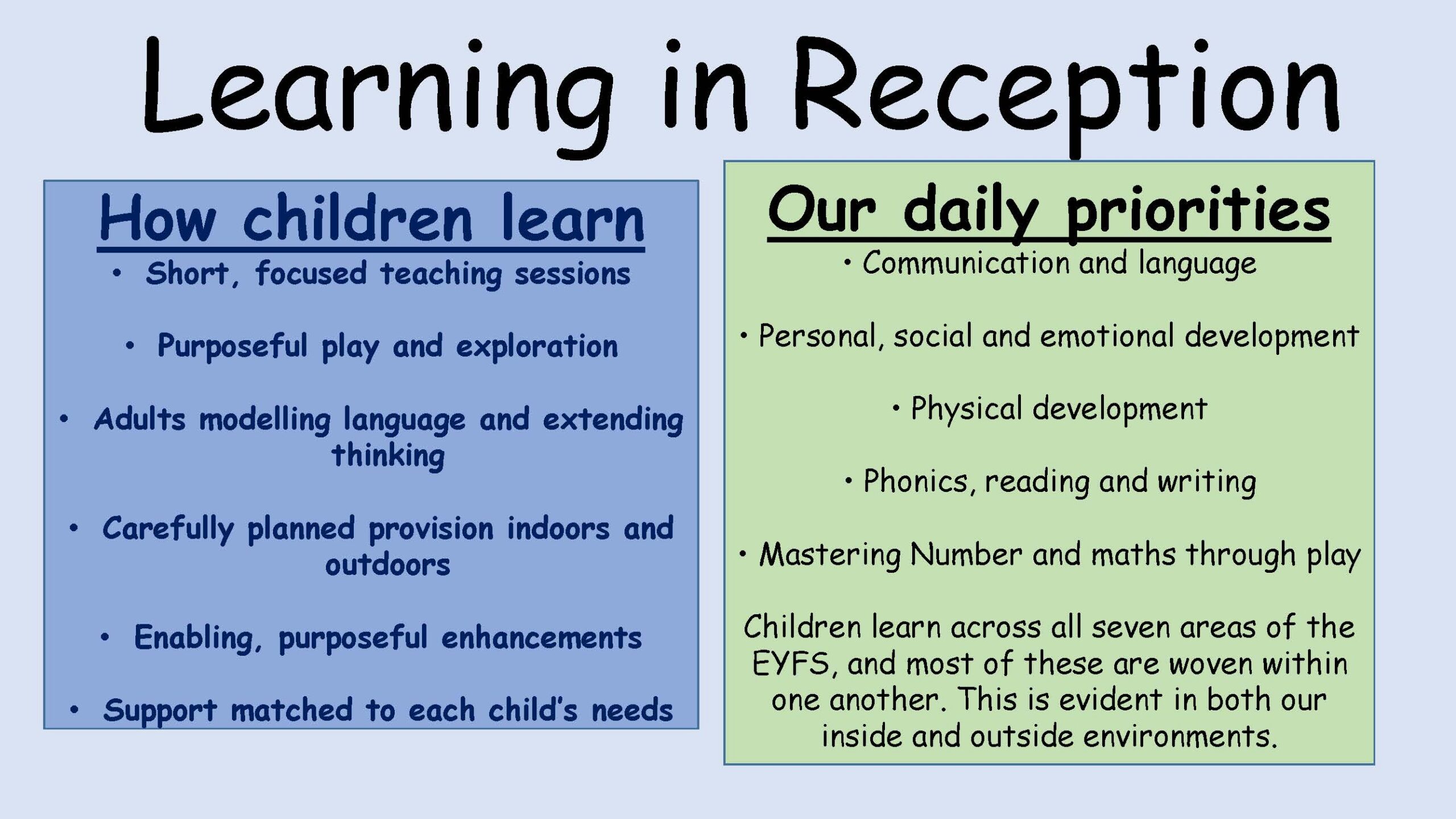
Whole-class learning is delivered through 15–20 minutes high-quality teaching sessions, allowing practitioners to maximise interaction time with children during their ‘Discovery Time’. During this time, practitioners further develop pupils’ communication and language skills, spark curiosity, move self-selected learning forward, and enhance provision to complement children’s interests while building on prior knowledge and skills. Pupils also access further curriculum opportunities through phonics, reading, print and mark-making guided activities, mastery maths sessions, RE, and PE.
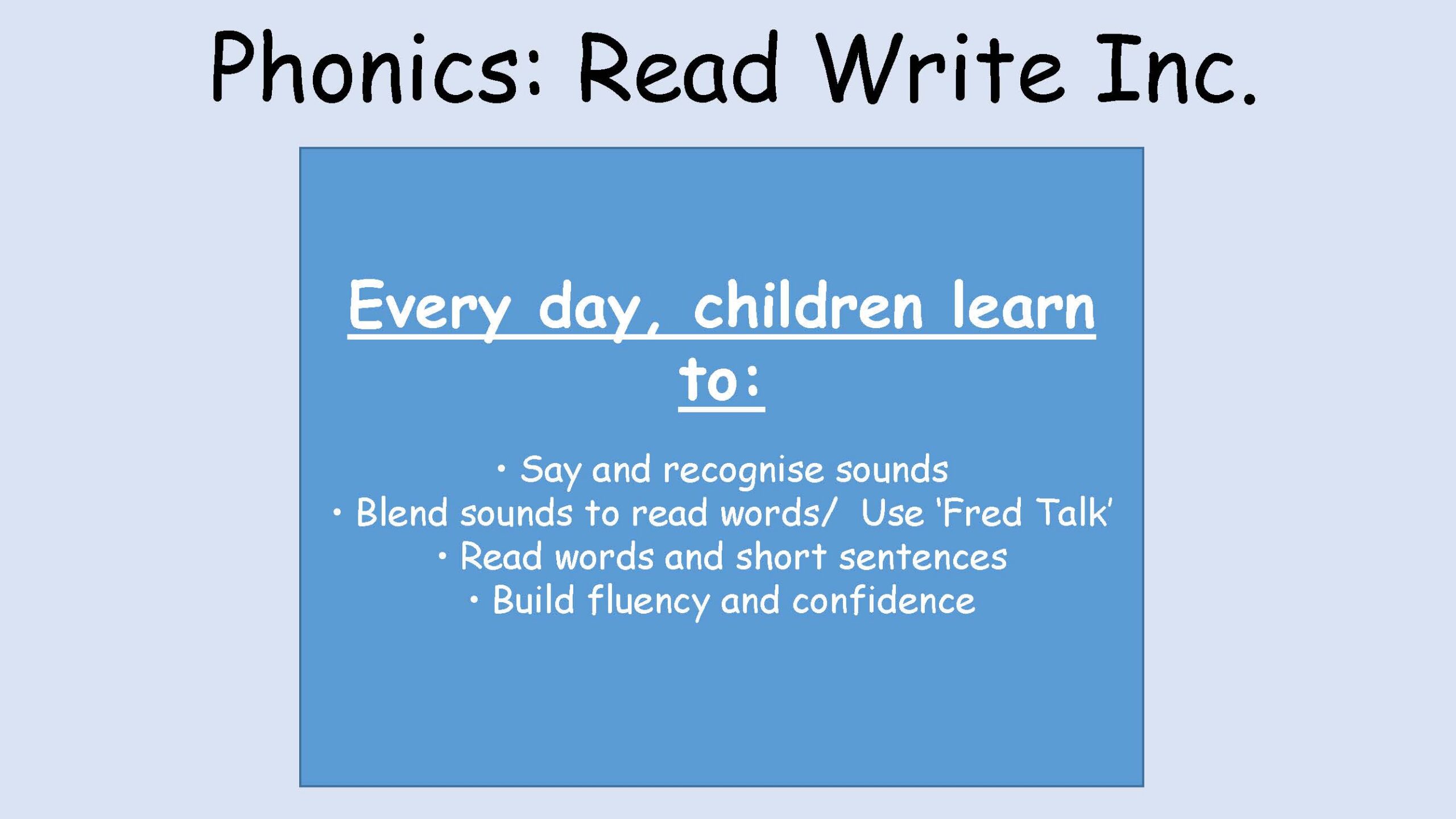
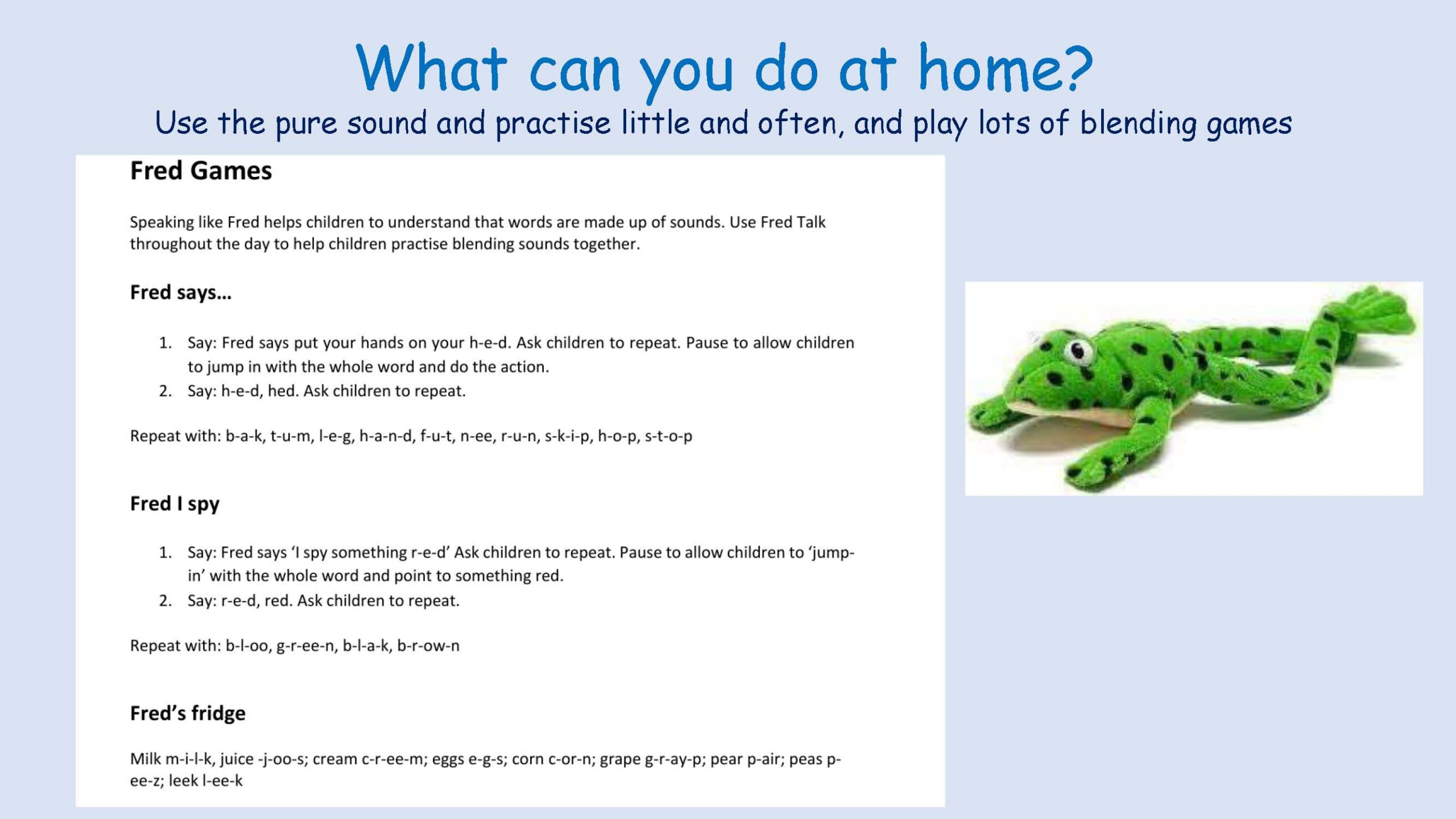
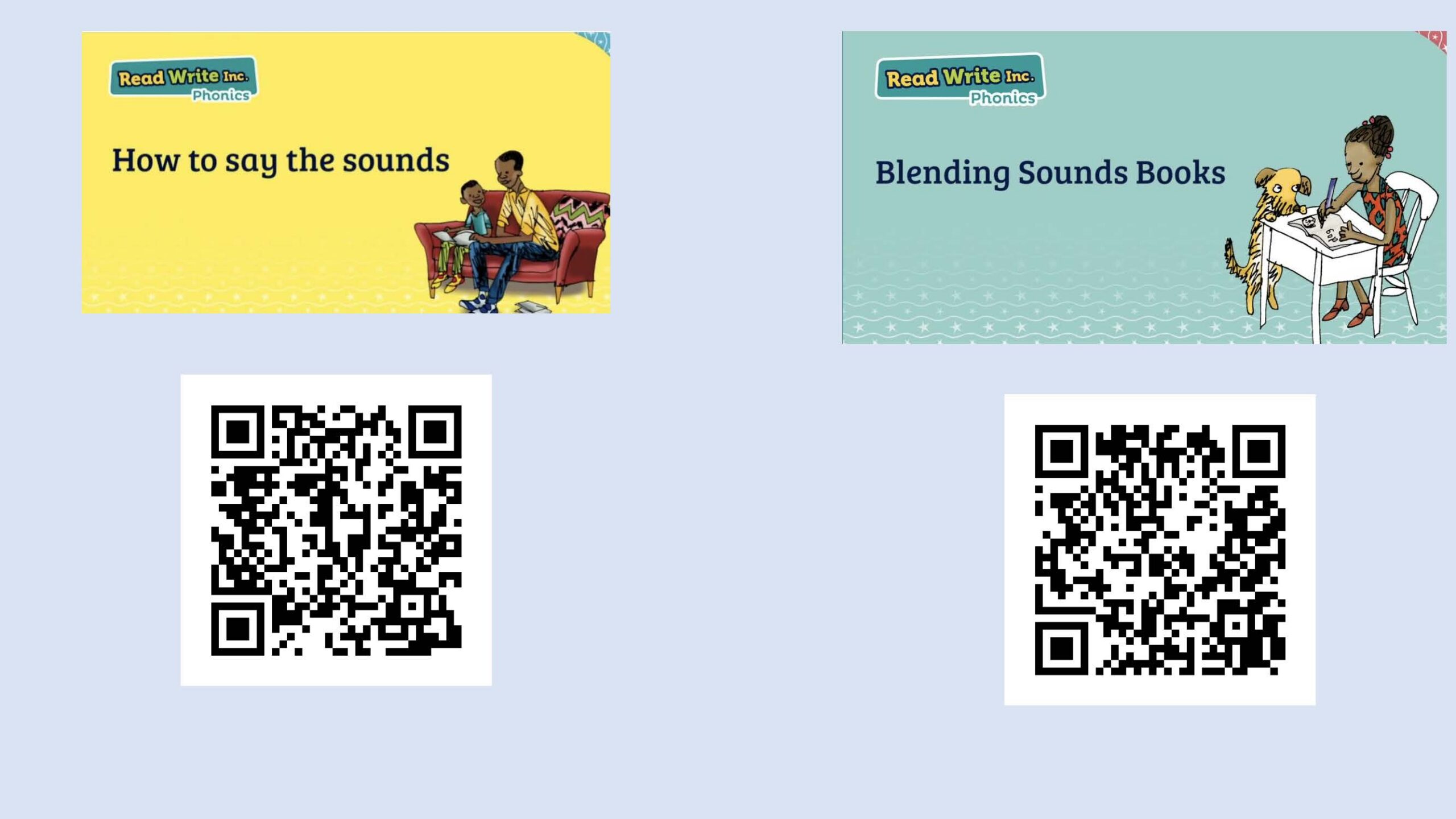
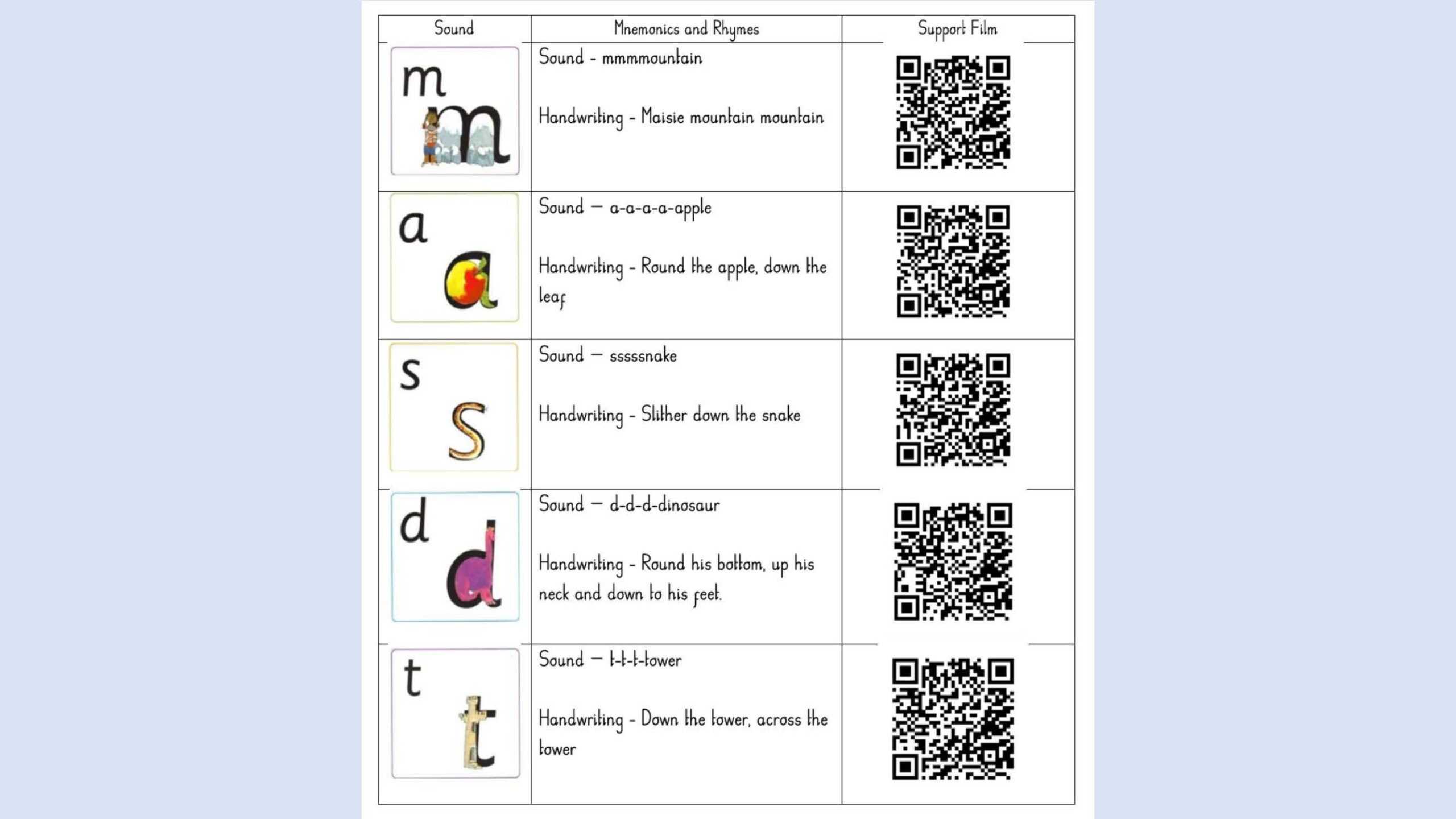
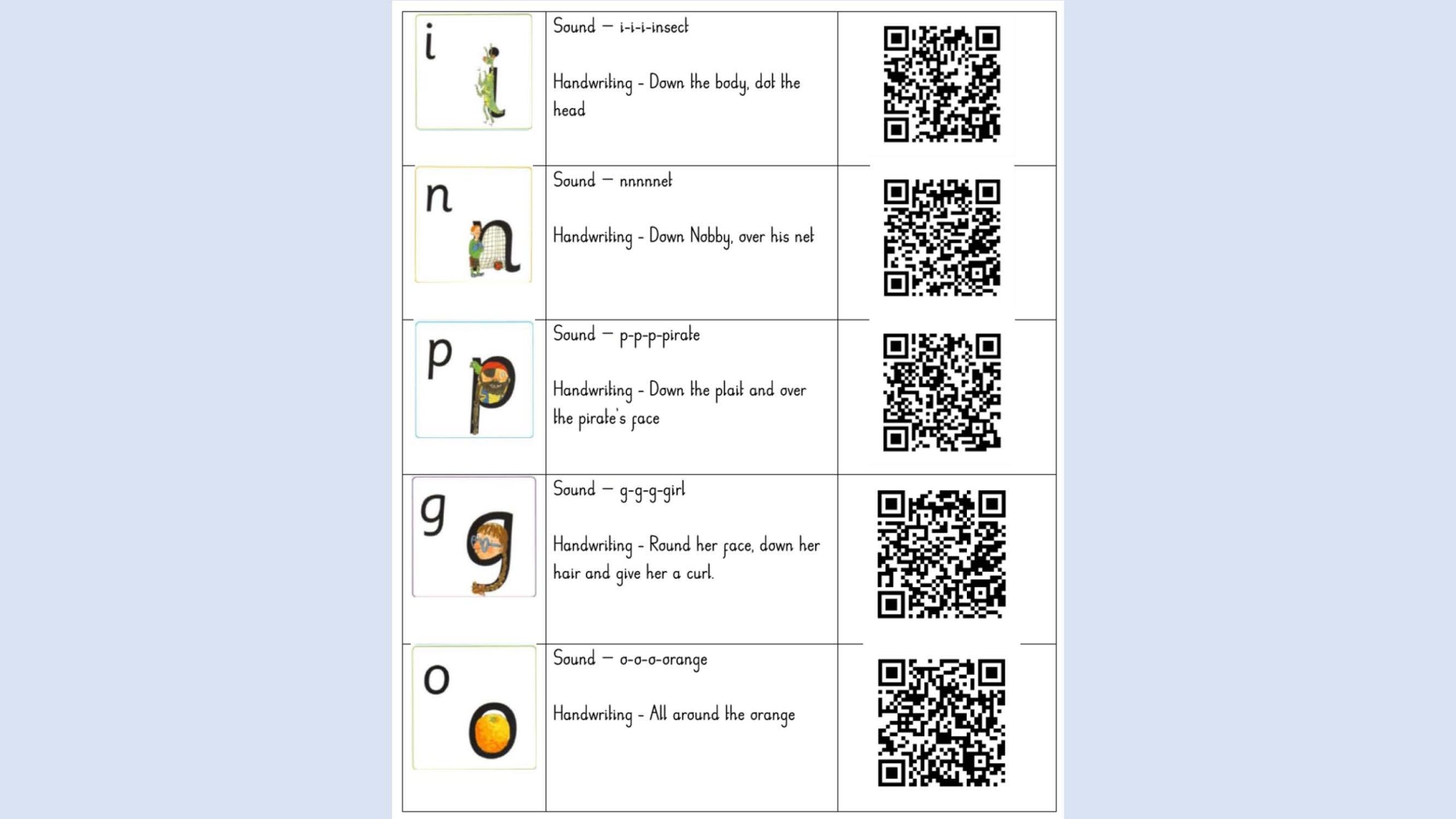
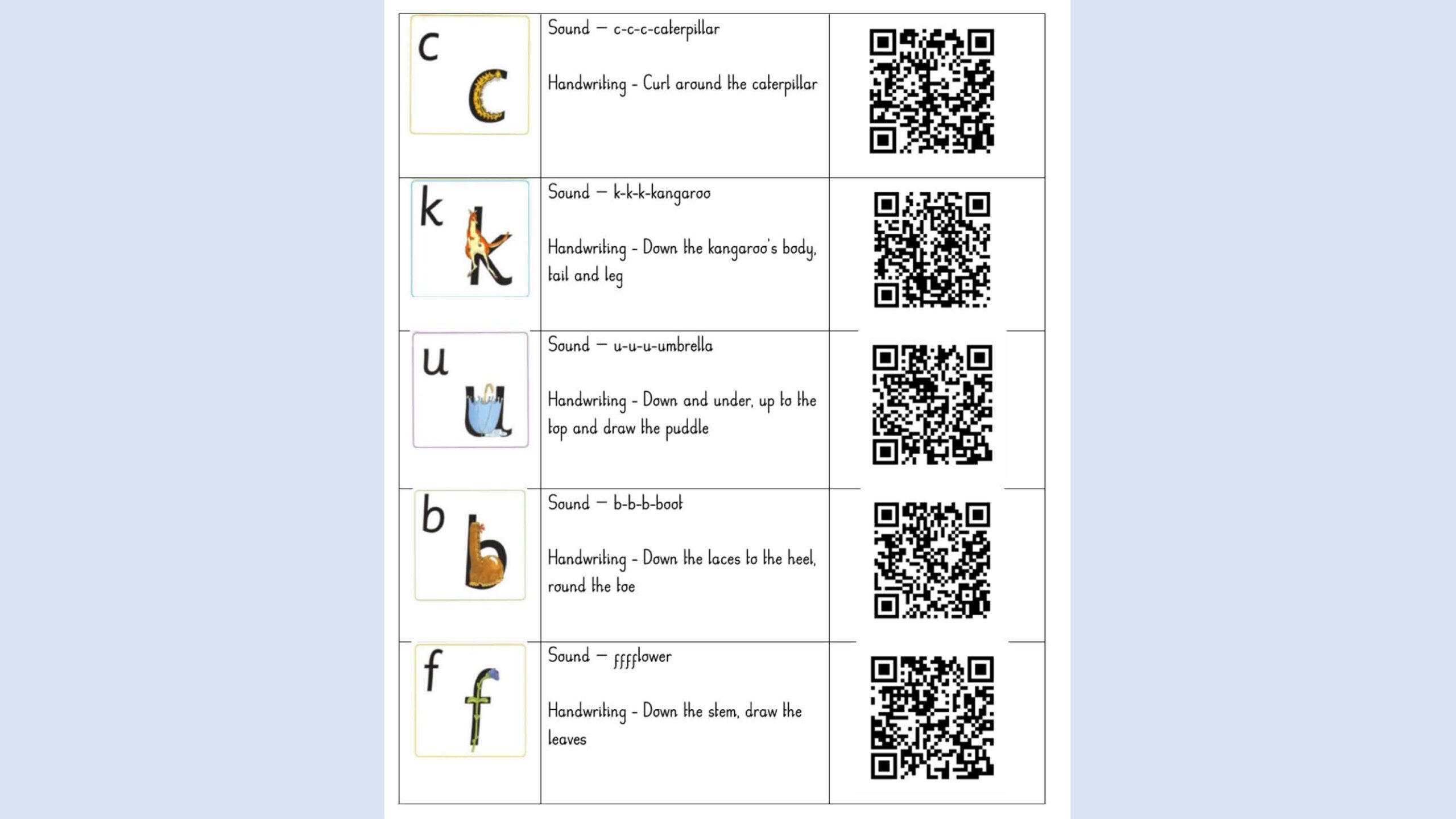
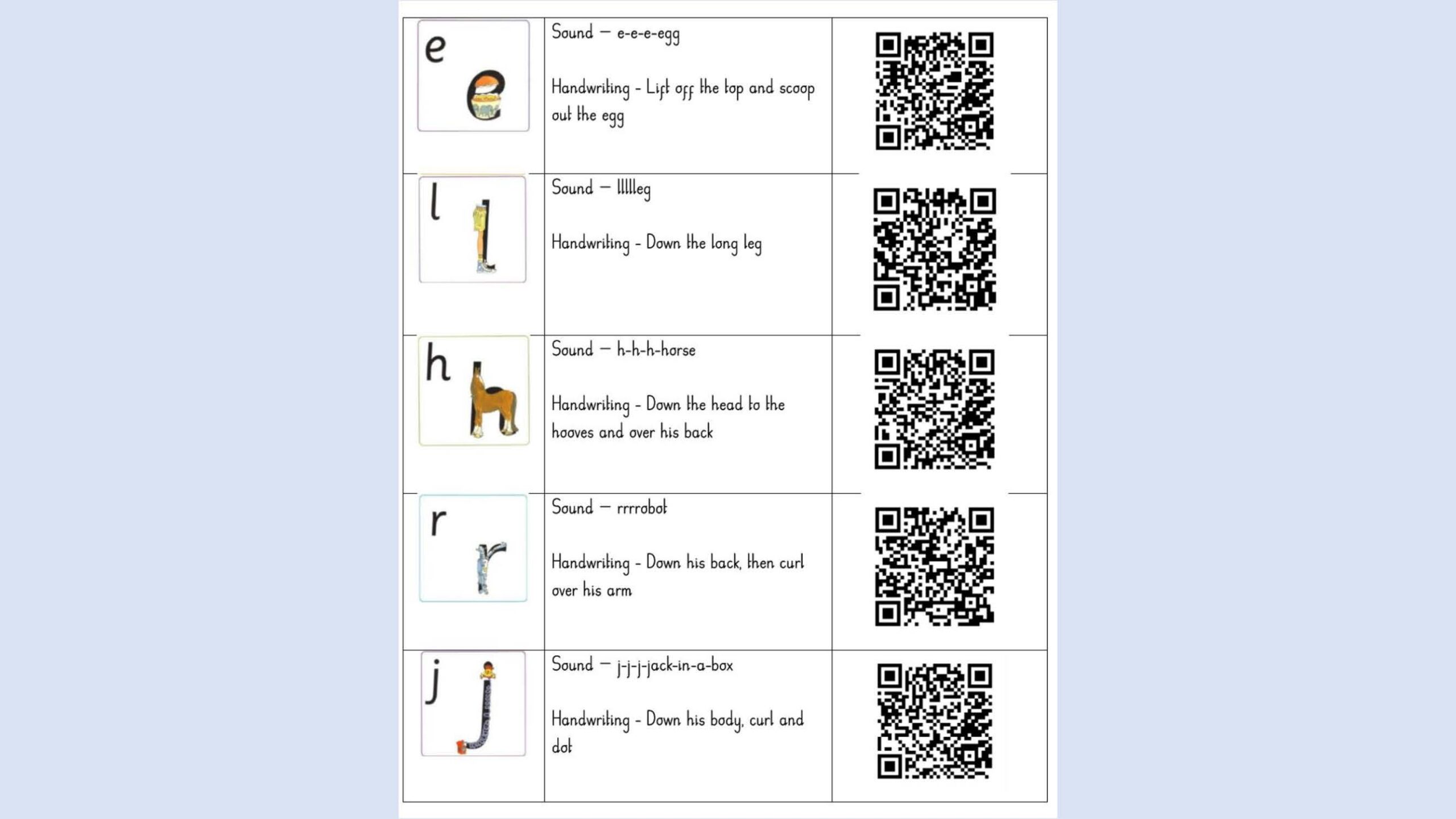
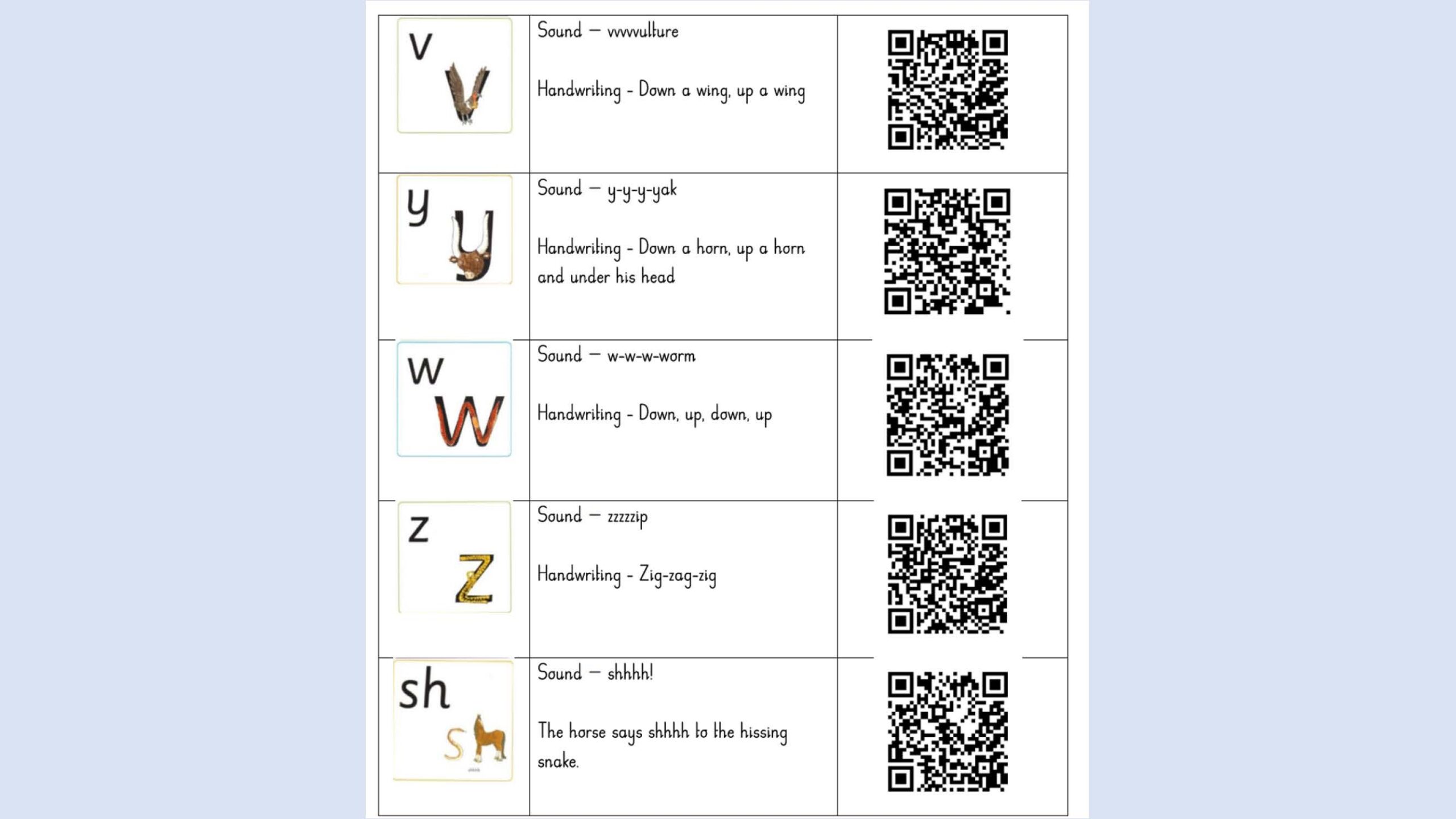
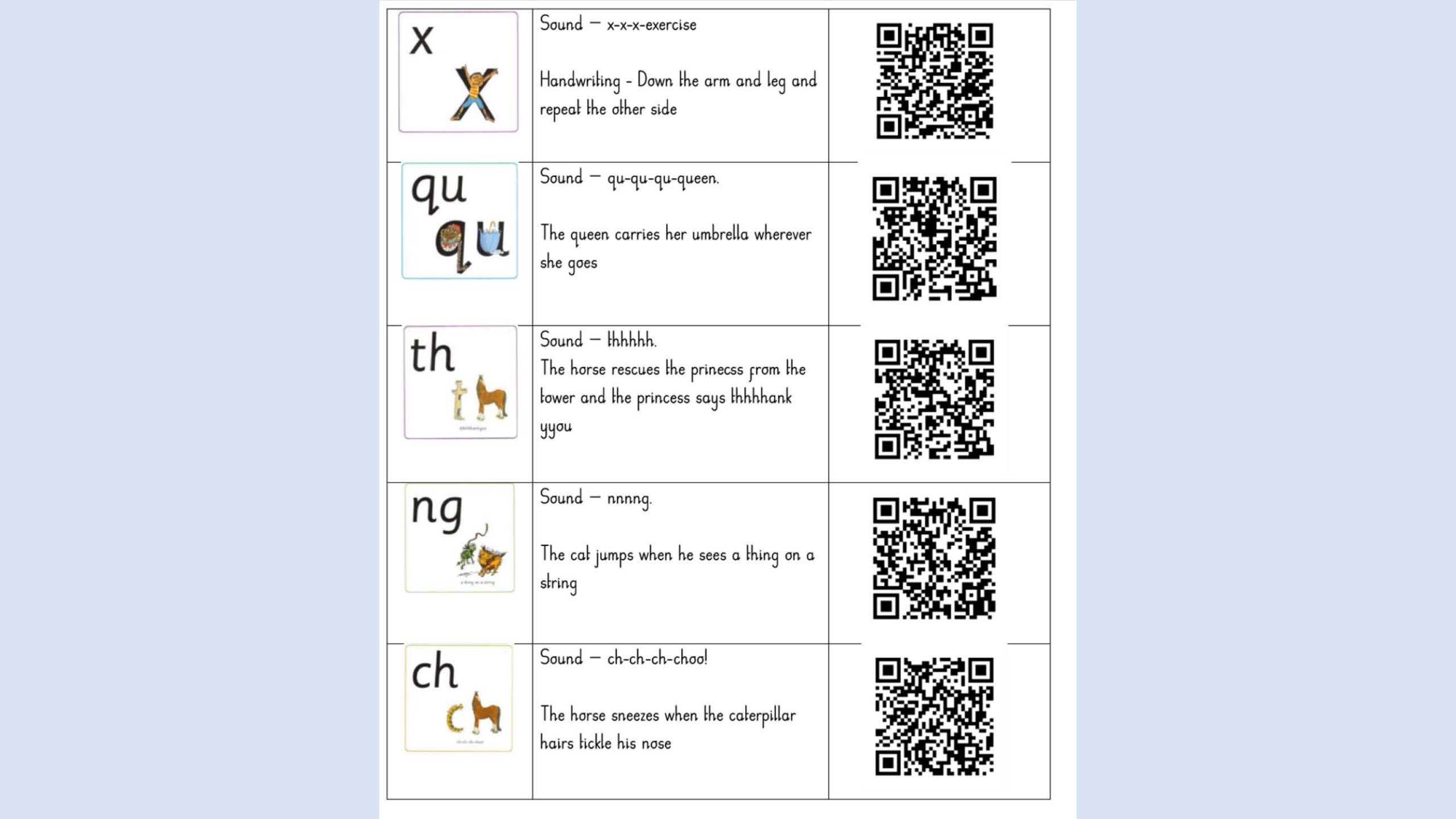
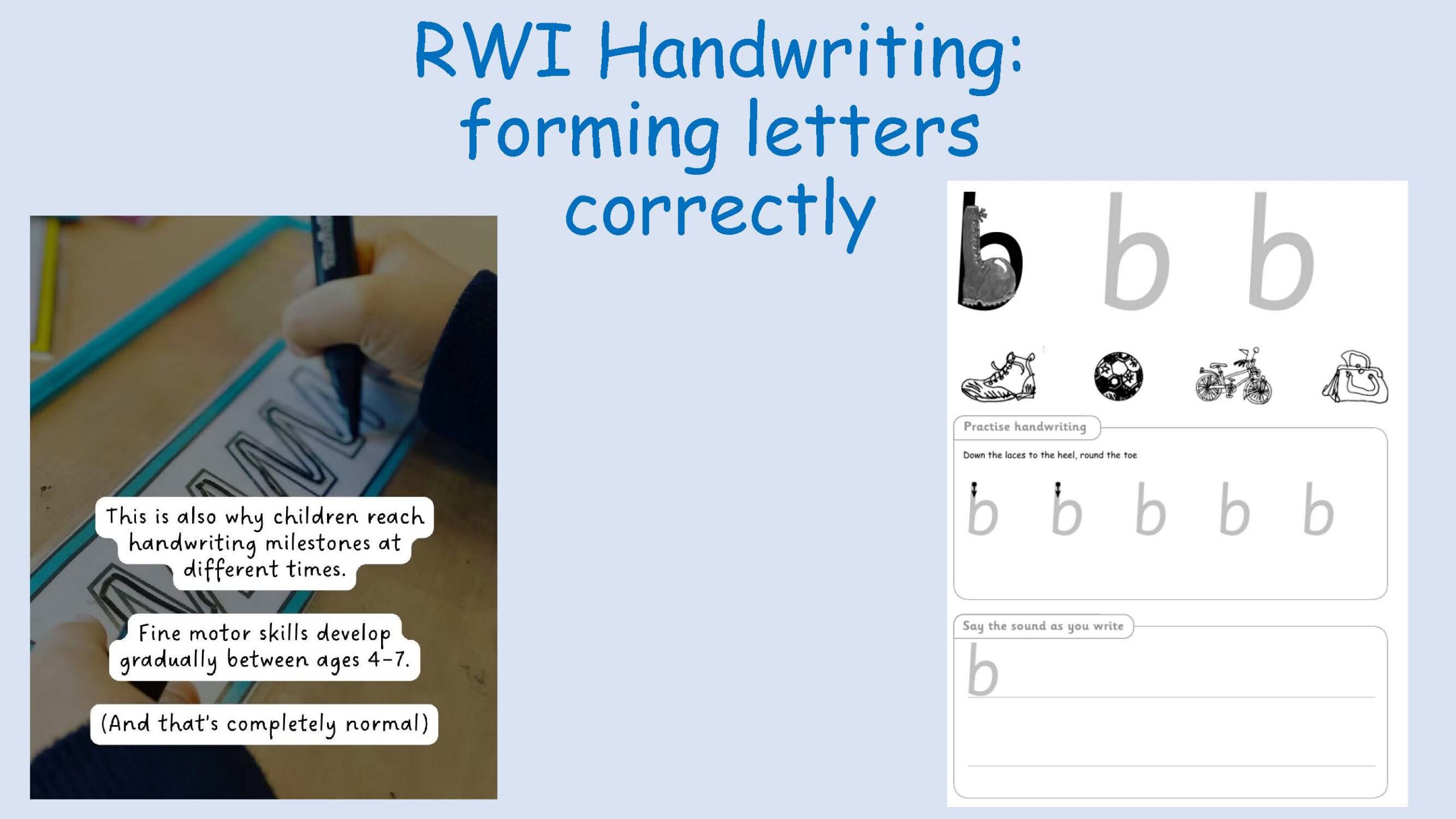
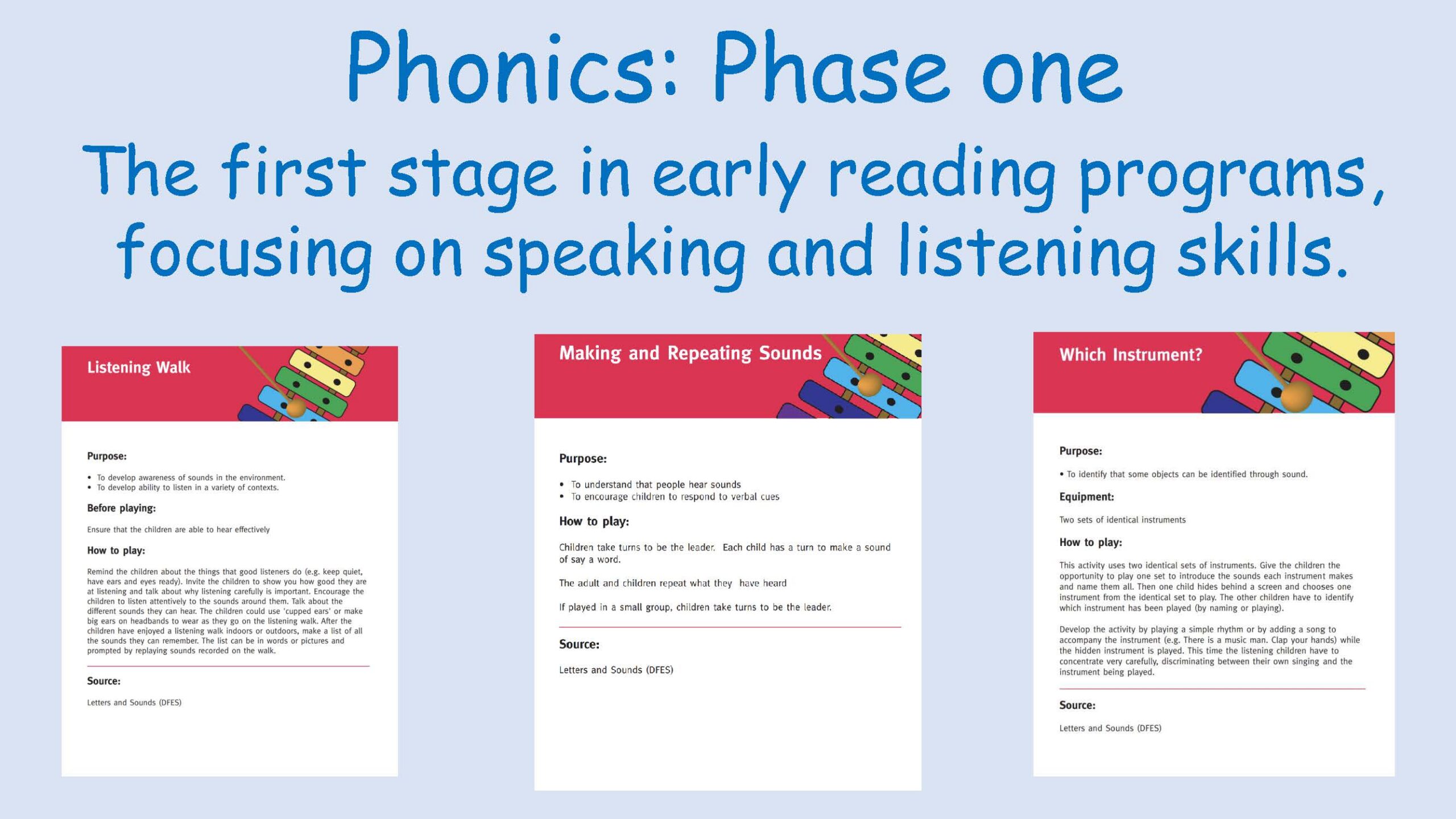
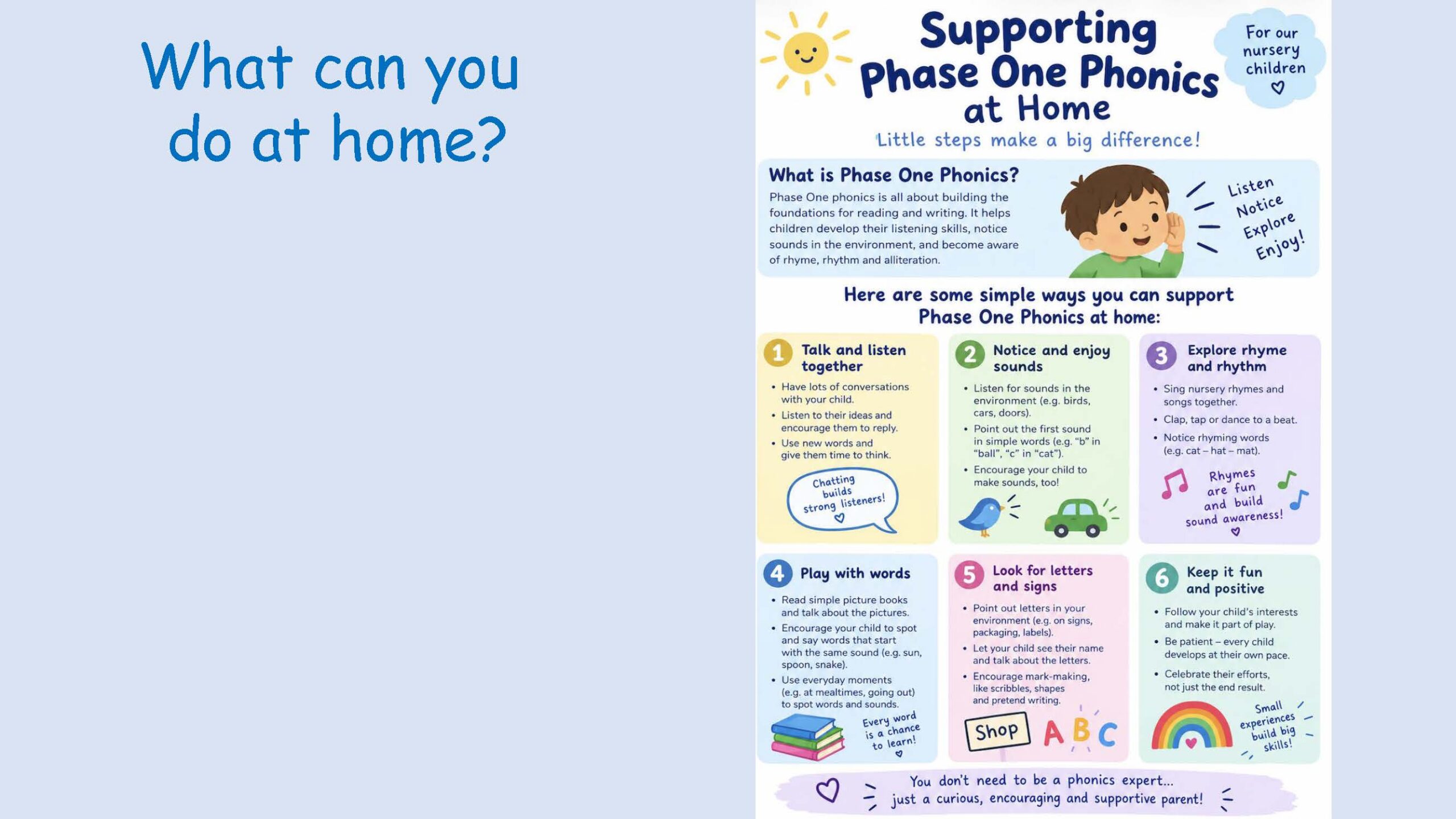
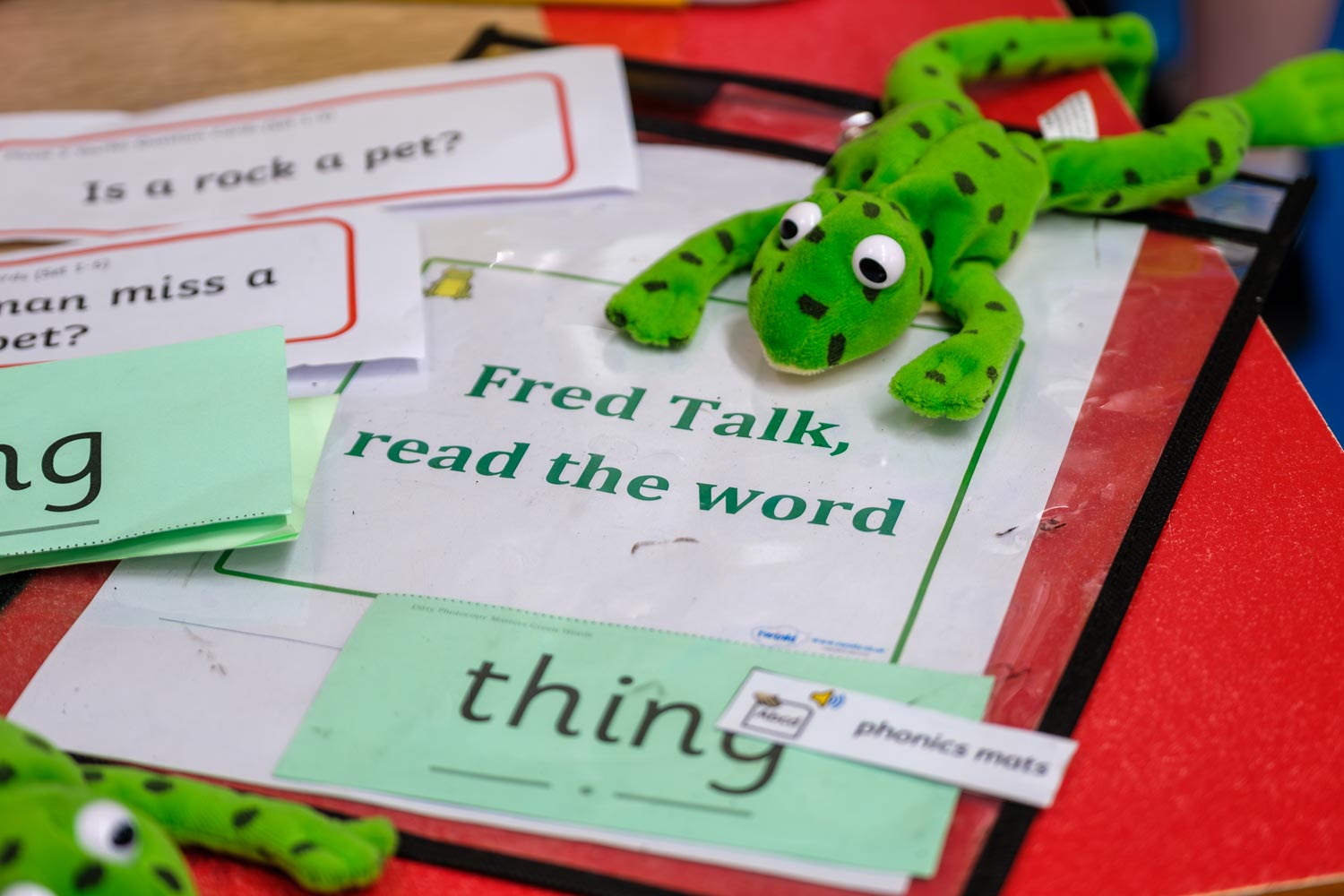
We use the revised phonics programme Read Write Inc. from Nursery onwards and are already seeing its positive impact on children’s communication and language and early literacy skills. Pupils are supported to keep up with their peers and progress together.
We use Pathways to Write texts to drive children’s Communication and Language, Reading, and Writing development. These sessions are exciting, stimulating, and fully multisensory, and pupils’ enthusiasm and eagerness to read and write is evident.
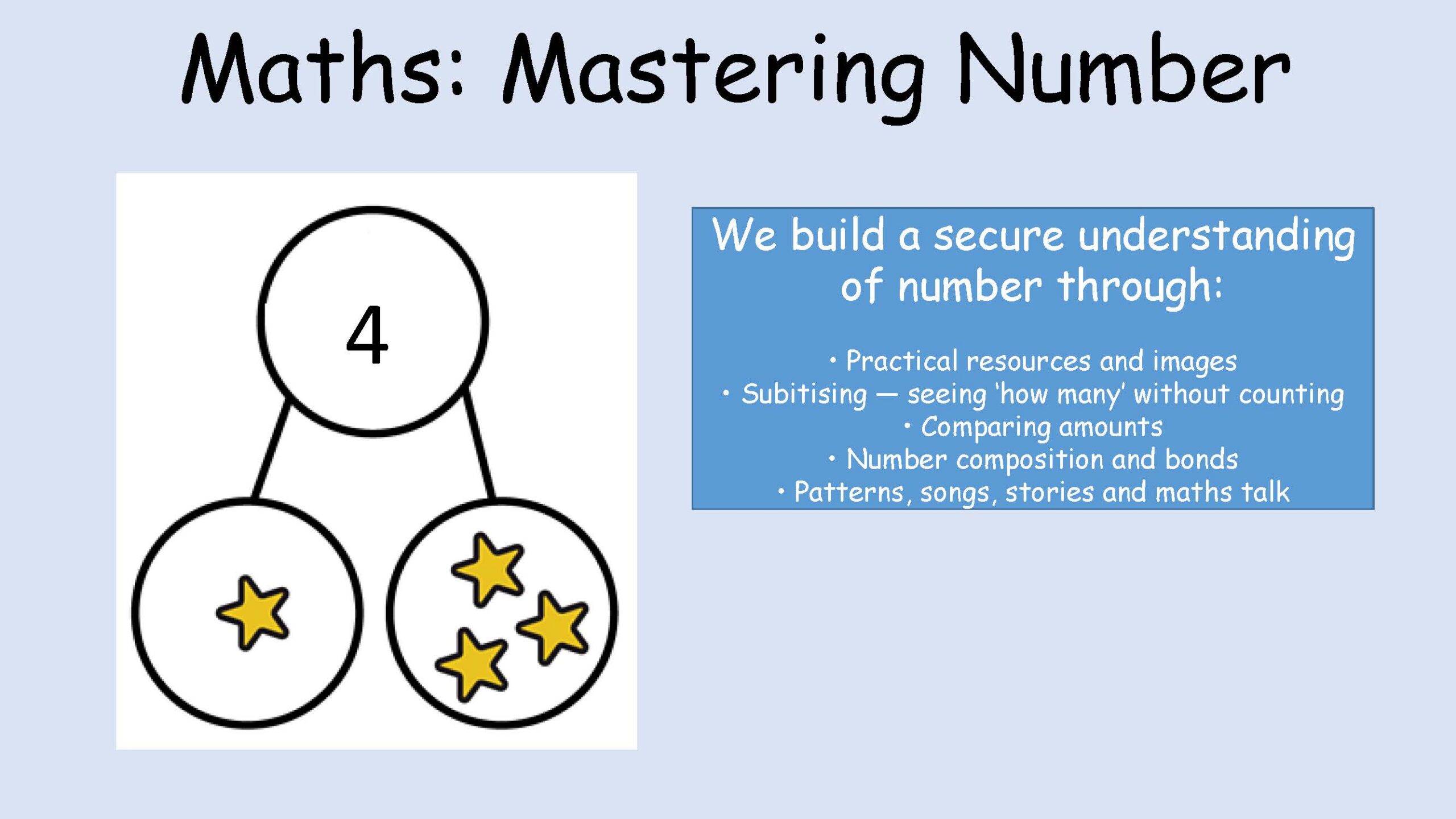
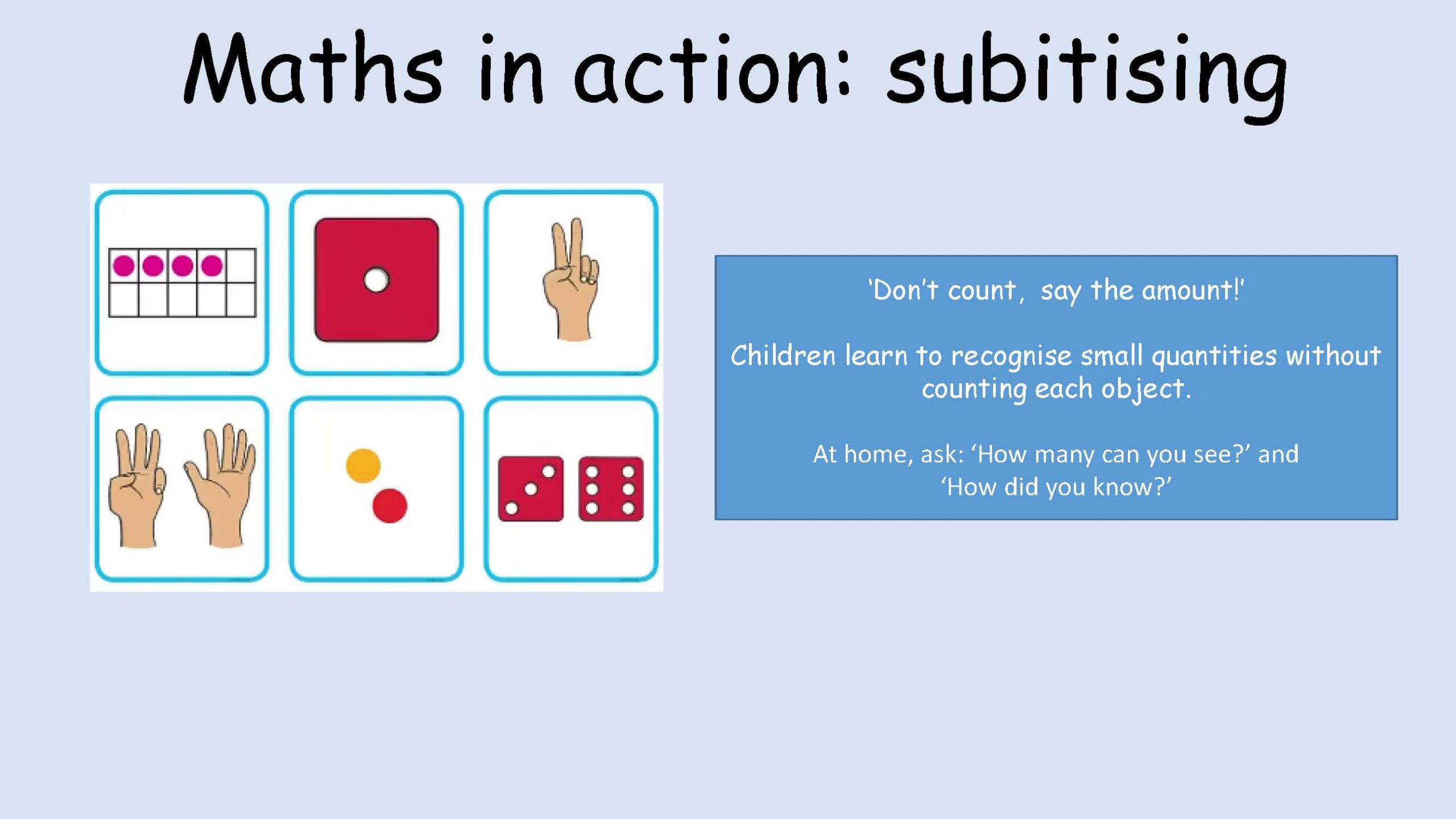
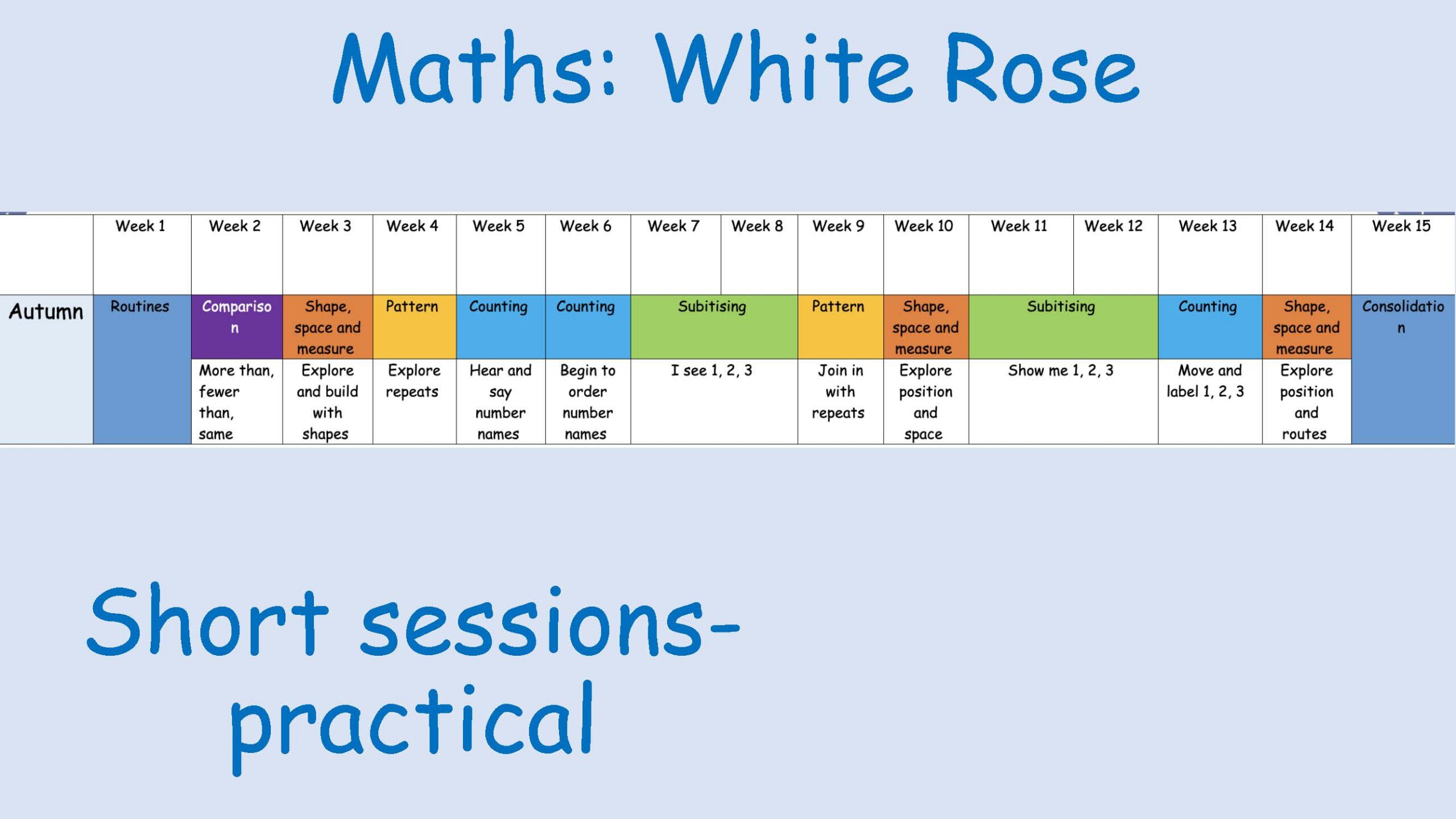
For mathematics, we follow the NCETM Mastering Number curriculum for core number teaching and supplement this with White Rose Maths for Shape, Spatial Reasoning, and Numerical Patterns. Both schemes maintain high expectations for all pupils and adopt a whole-class approach. By the time pupils leave the EYFS, they are confident with numbers within and up to at least 10 and can recall key related facts.
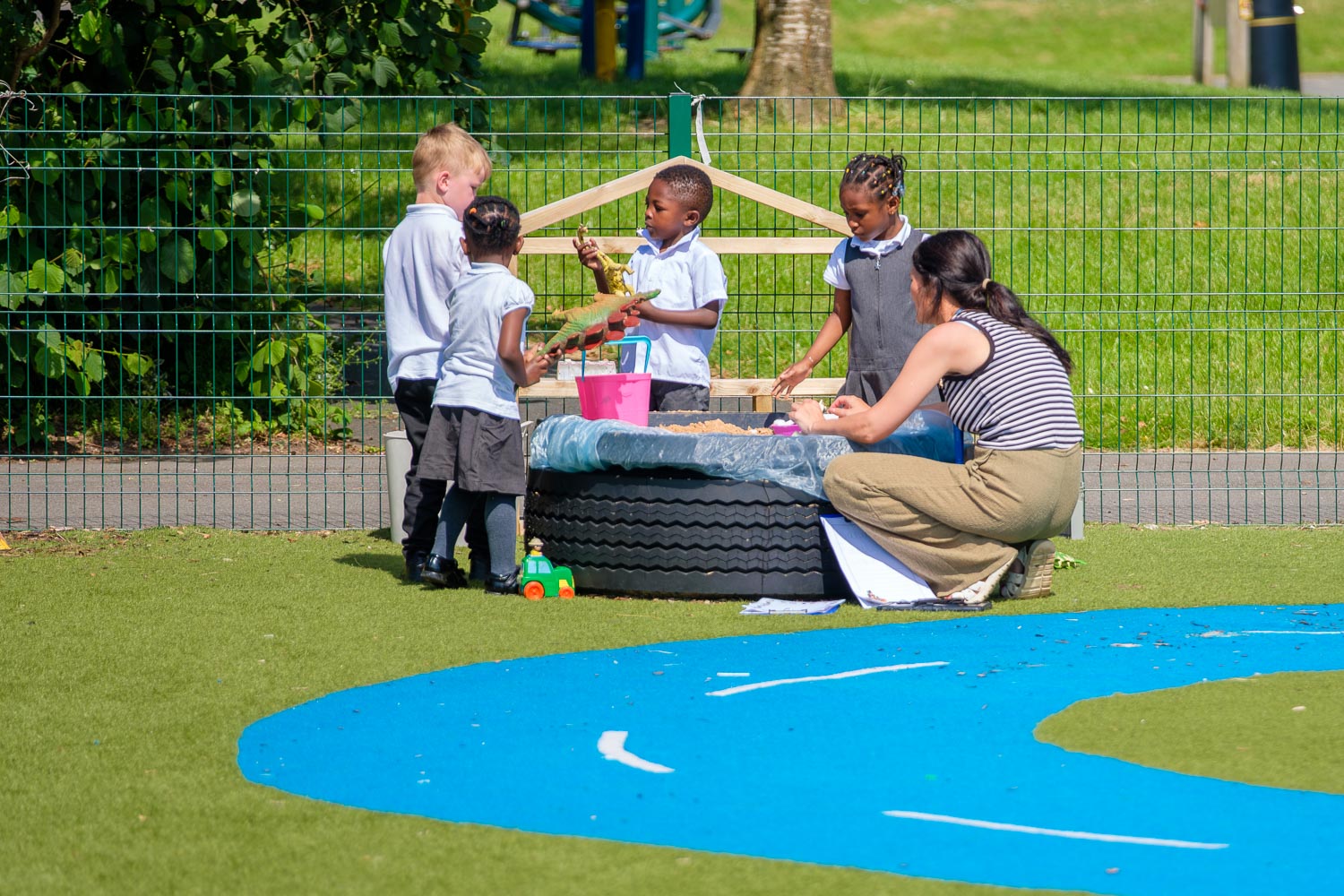
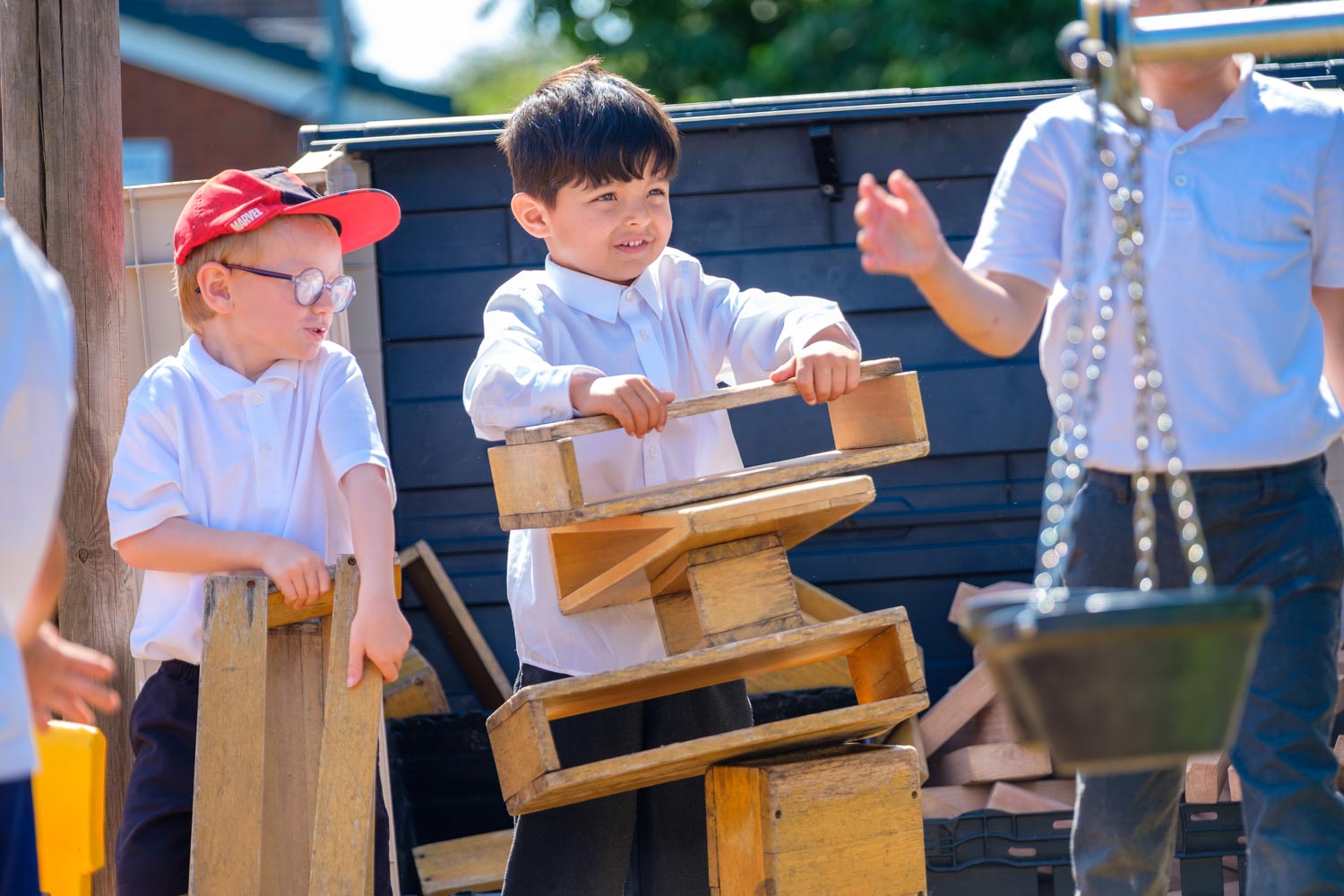
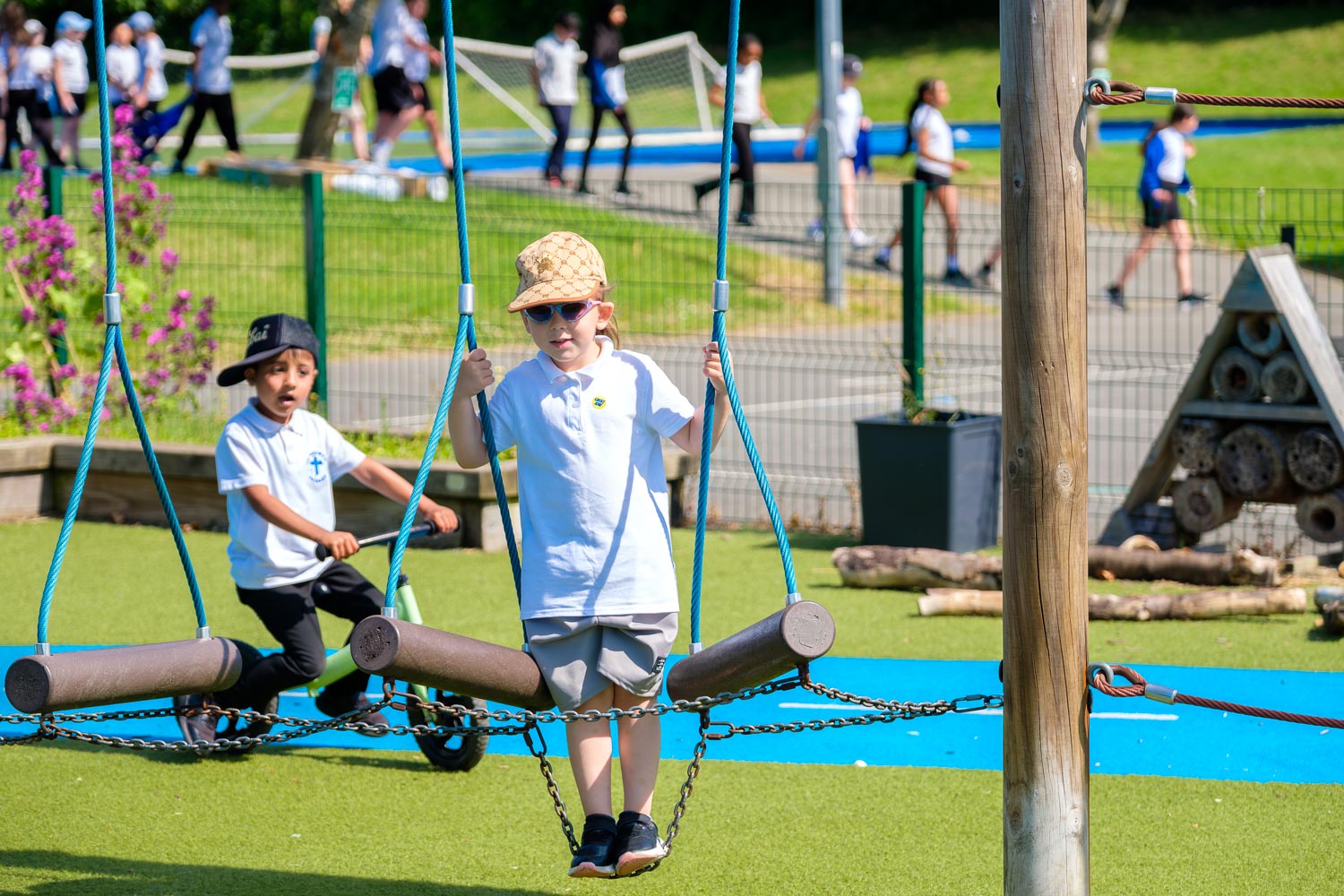
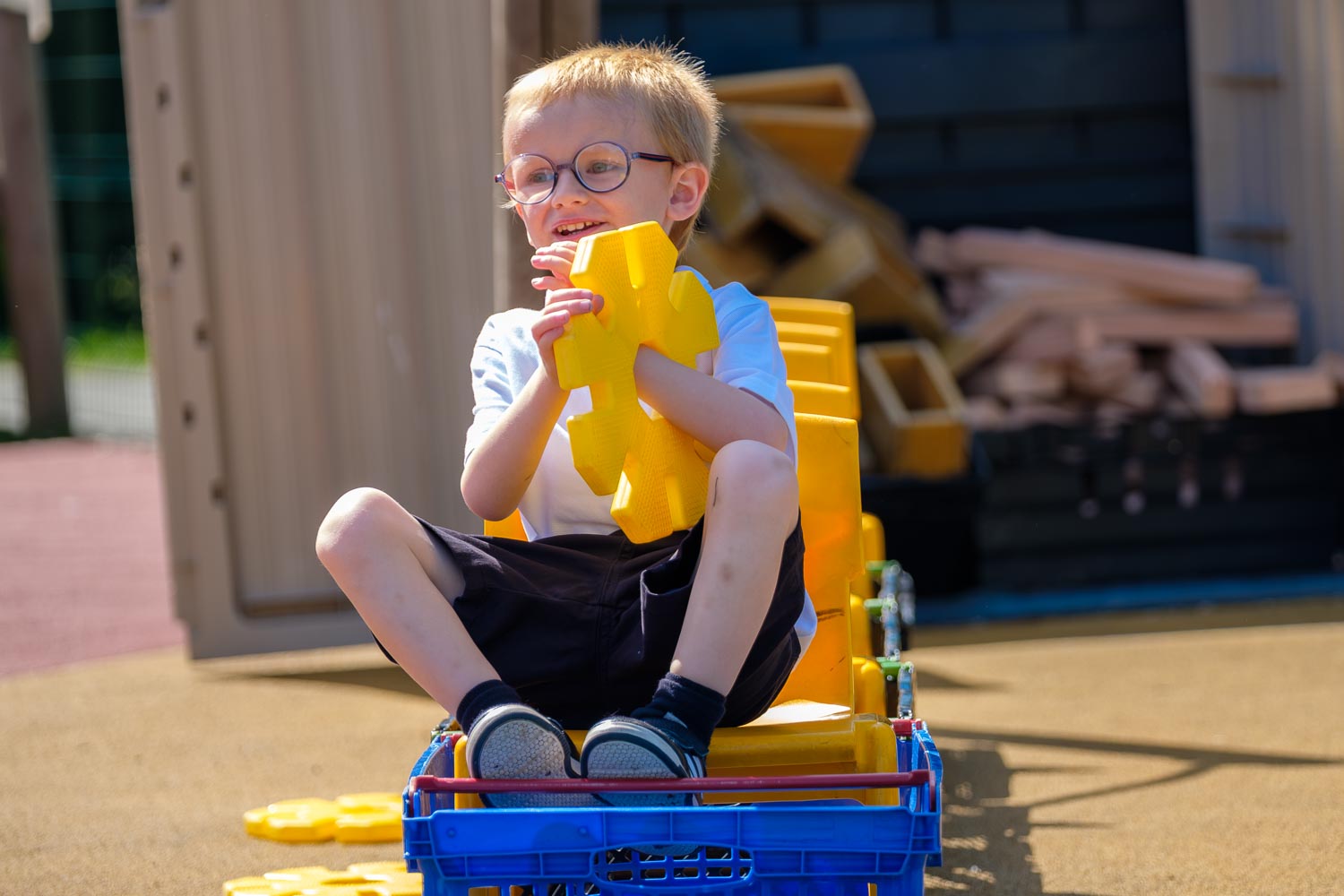
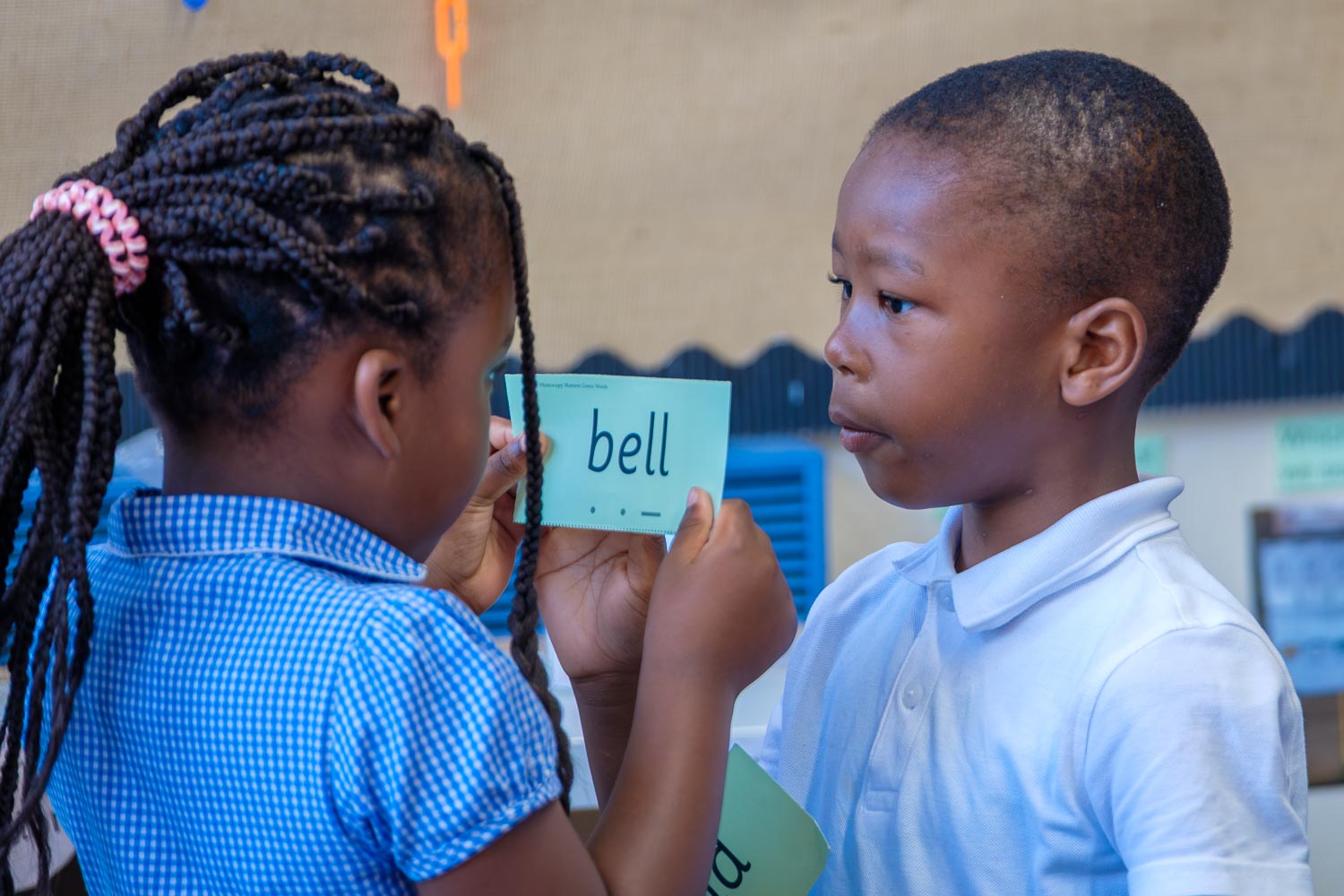
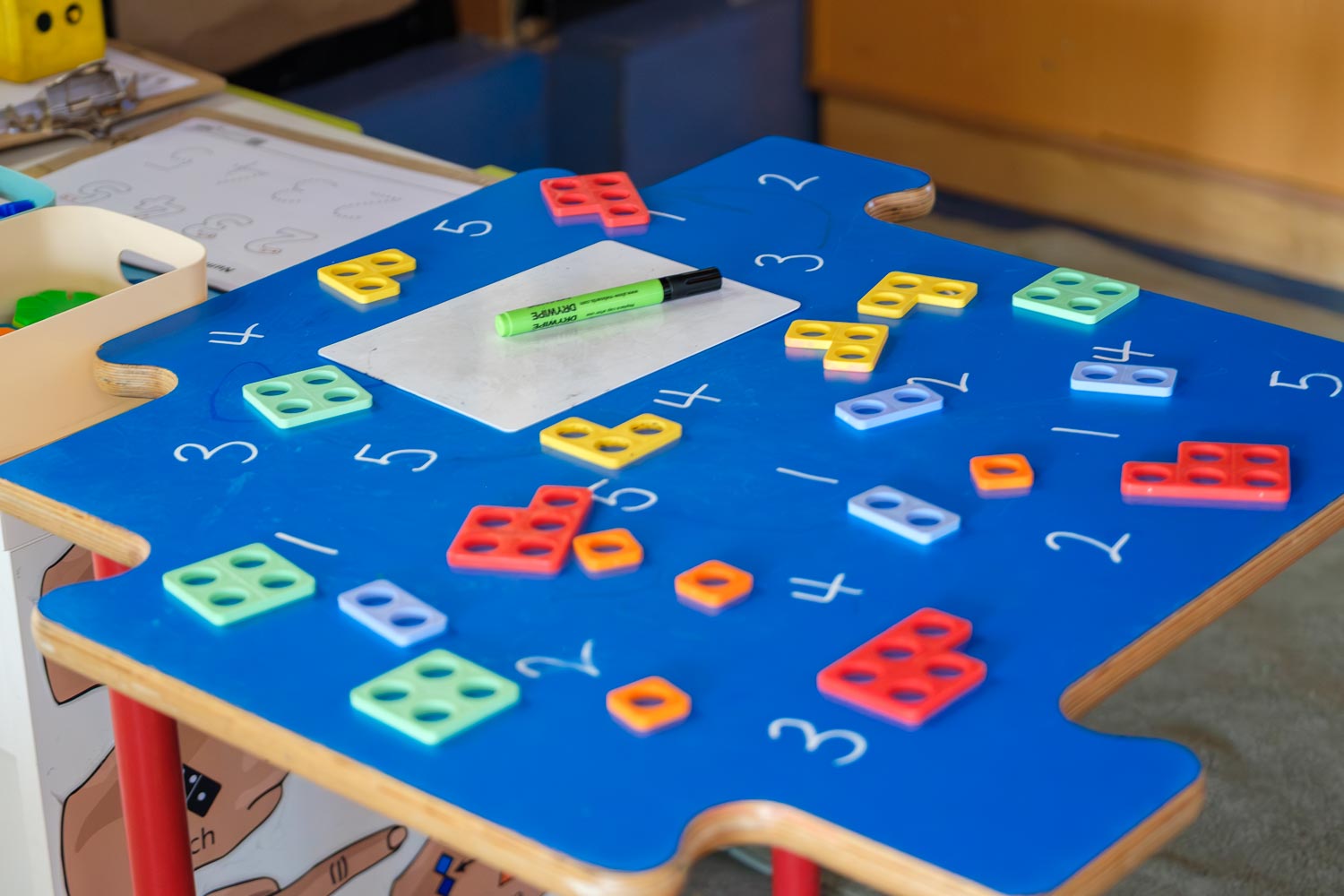
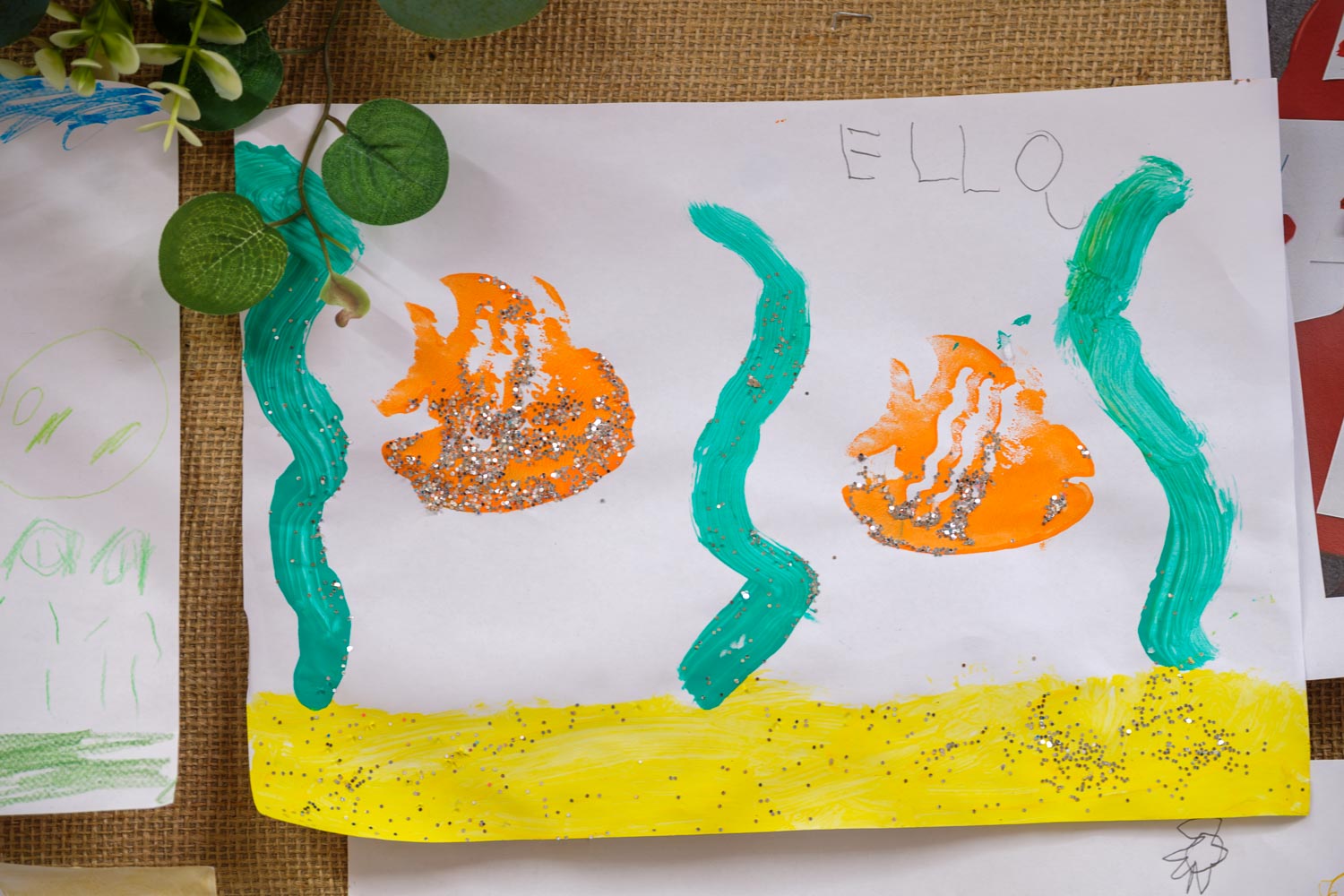
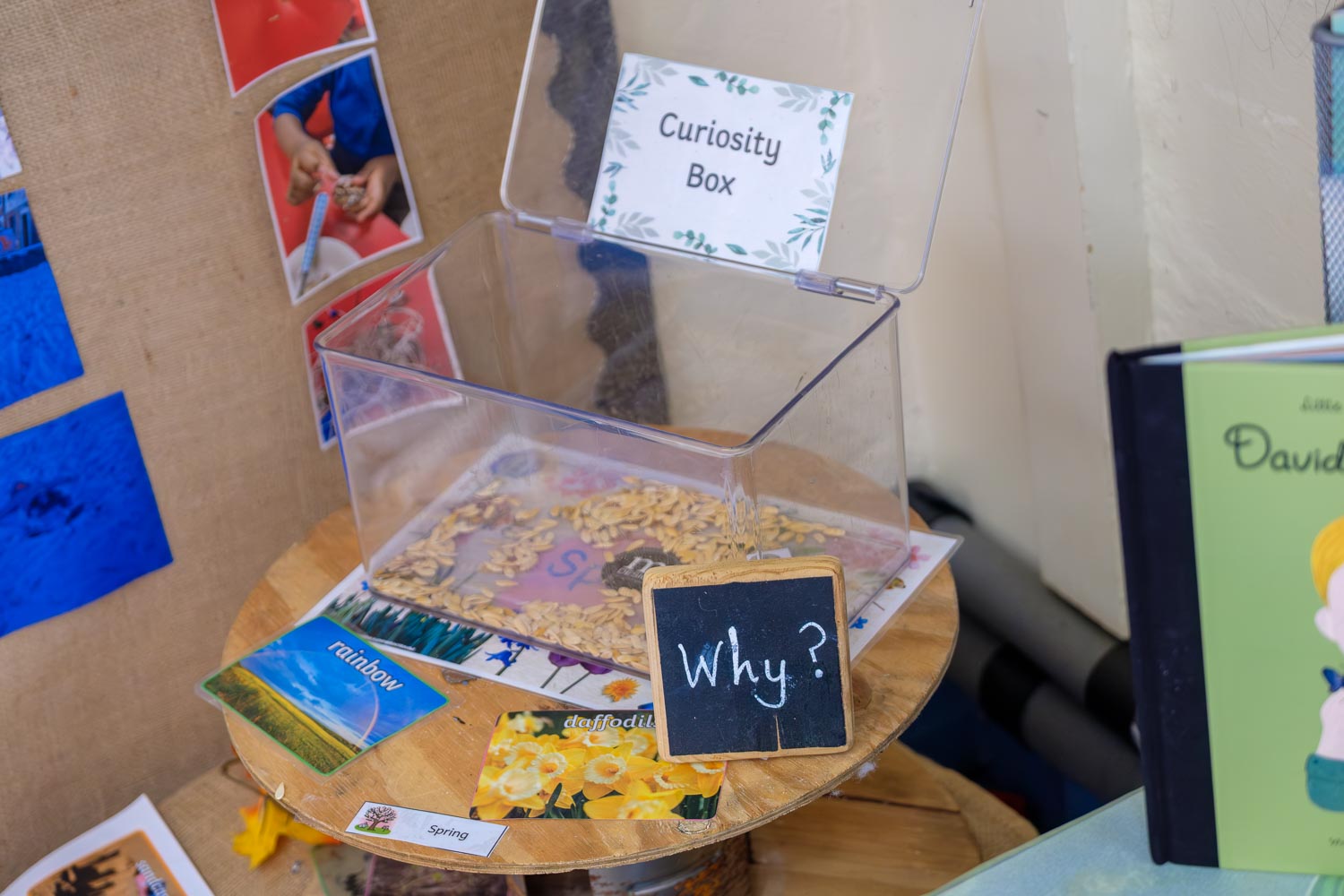
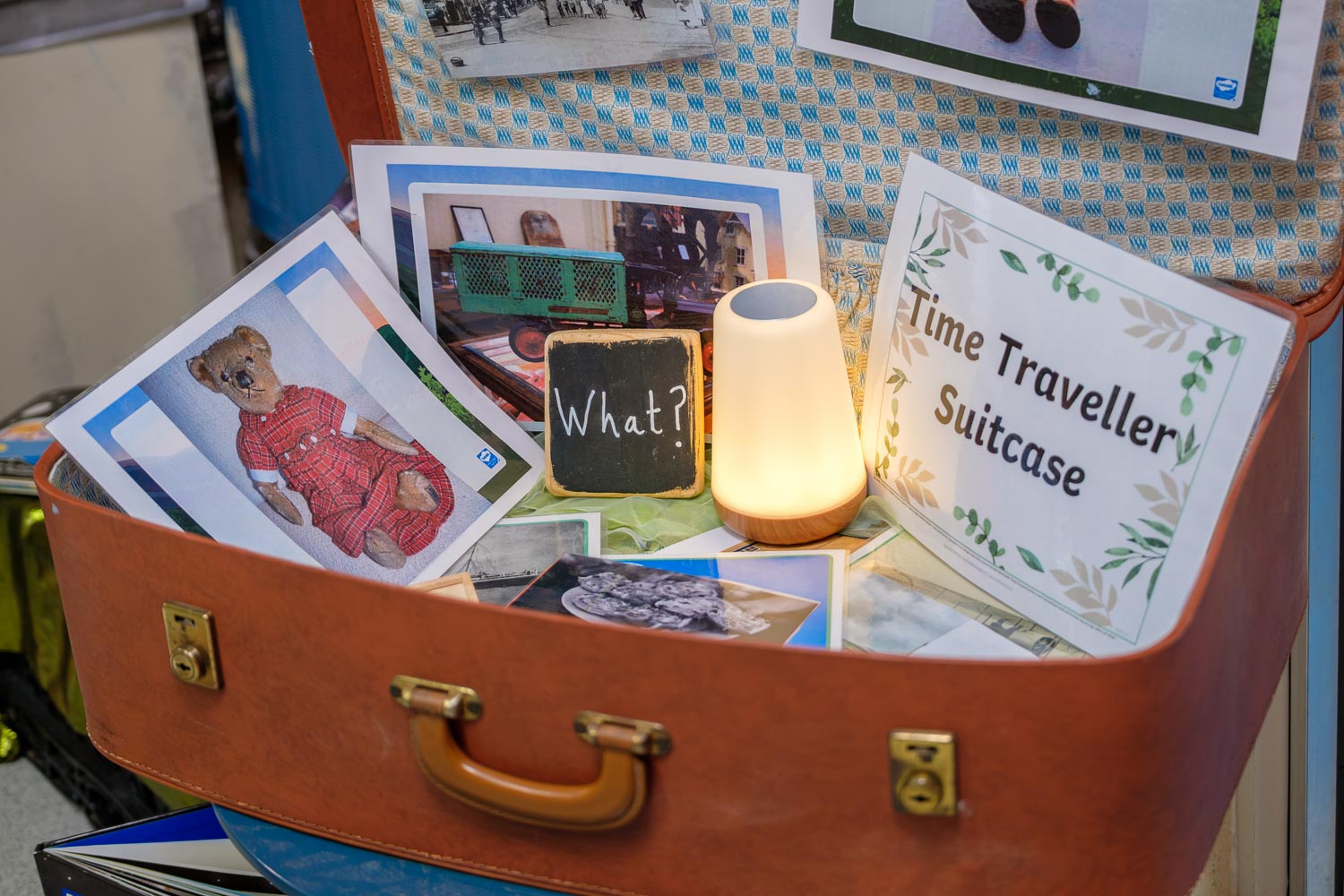
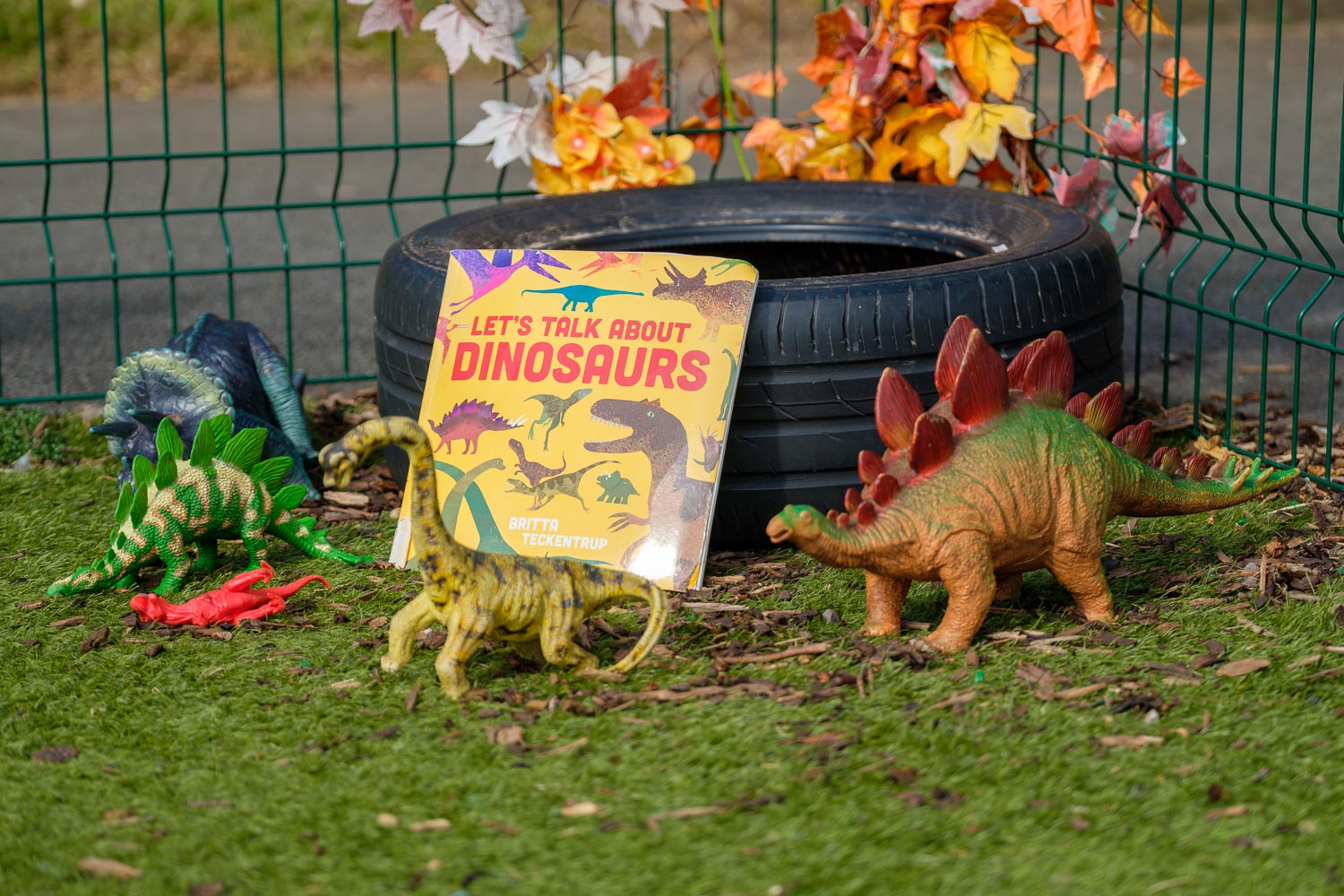
We provide our children with a wide range of experiential learning opportunities and stimulating, thought-provoking activities, allowing them to explore ideas and concepts they may not have previously been exposed to. These include school trips and participation in workshops such as Love Clay, Sound Pots, the Unconventional Menagerie and the Halle Musical Orchestra. We also arrange visits from members of our local community, including paramedics, PCSOs, and librarians.
In addition, we hold special events linked to our school charity: The Dougie Mac. Each class also has their own chosen charity which we raise awareness of throughout the year. We also celebrate key calendar moments such as Macmillan Coffee Morning, Hello Yellow, Remembrance, Children in Need, our Christmas Nativities, and Black History Month.
We actively welcome parents and carers into school to share and talk about their careers, and we provide further enrichment through assemblies and performances linked to our learning, including Harvest Festival celebrations and class assemblies. Children also take part in a very special Reception Welcome Service led by our school Reverend, Dave Street.
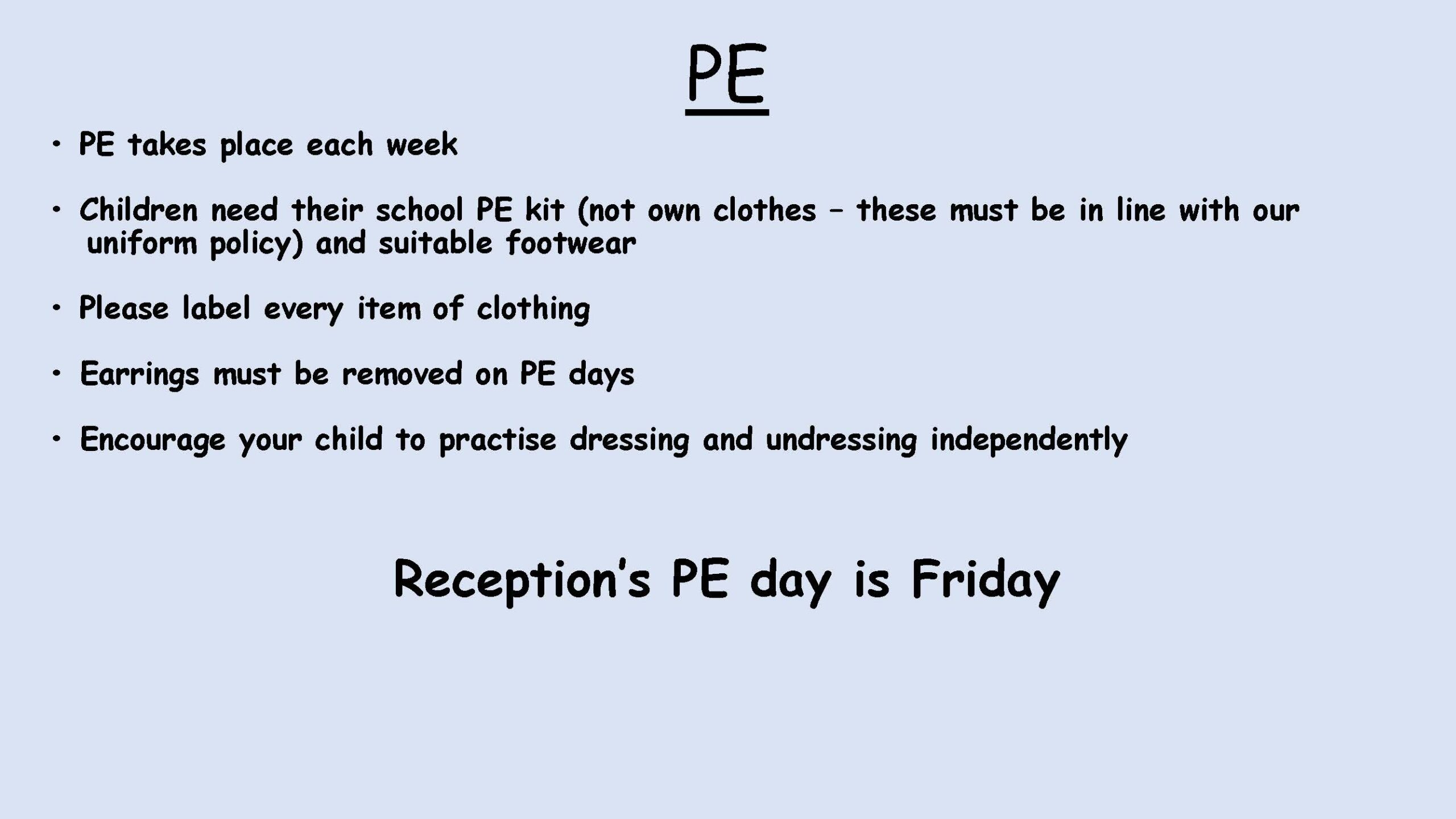
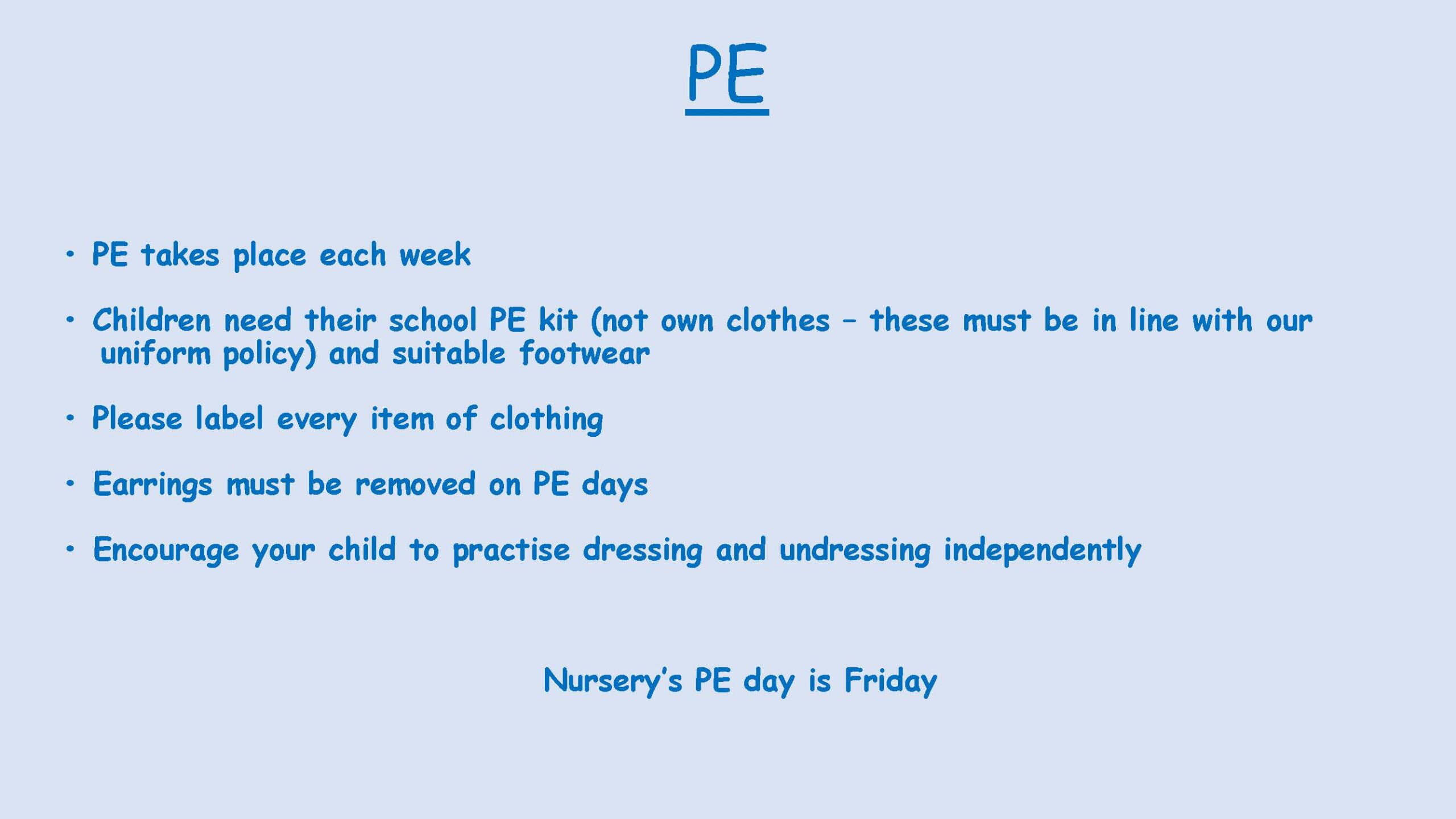
Our pupils work alongside our site supervisor on a daily basis to risk-assess the learning environment and to plant, grow, and care for their own garden herbs and vegetables. High-quality PE sessions, delivered through Get Set for PE, further support the development of children’s gross motor skills, balance, turn-taking, and listening skills. Together, these experiences provide our children with the knowledge and cultural capital they need to support their future learning.
Pupils with additional needs are invited to an initial visit, followed by transition visits, where our SENDCo is present to answer any questions, discuss your child’s needs in depth or address any concerns prior to starting school. Our SENDCo specialises in Early Years and will prioritise your little ones needs and progress. We work closely with local nurseries and with families whose children are at home, and we always carry out home or setting visits before pupils’ start dates. We work in partnership with all relevant agencies to ensure the right support is in place for our pupils, with referrals made in a timely manner to best support learning outcomes from the outset. This ensures that our environment is carefully planned to be fully inclusive for every child.
Reception learning is formally baseline assessed within the first few weeks of children starting in our setting using the statutory Reception Baseline Assessment, and then again at the end of the Early Years Foundation Stage against the Early Learning Goals. We use the results from the baseline, alongside teacher observations and interactions, to assess what children know, understand and can do. We also take account of children’s interests and dispositions to learn (Characteristics of Effective Learning) in order to plan next steps and monitor progress.
Our staff are highly experienced in identifying developmental delays. We plan swiftly for and provide high-quality intervention through evidence-based programmes such as Stoke Speaks Out: Early Talk Boost, Time to Talk, Time to Listen, Spirals, and Intensive Interactions to support the development of early language and literacy. We have staff trained in using Makaton as another means of communication.

Impact
Pupils leave the Early Years with a strong foundational set of skills and are fully equipped to be inquisitive about the world around them, passionate about their learning, and inspired to learn more.
We strive for all children to leave the Early Years ready for the Year 1 curriculum, while also being holistically nurtured to develop strong morals and values towards themselves and others, and to live ‘Like the Good Samaritan’. The impact of our EYFS curriculum and environment is evident through the clear progress children make across all areas of the curriculum.
Did we mention our Outdoor Provision?
At St. Paul’s, we believe that our surroundings and the environment can have a powerful impact on children, who learn directly through their senses and by interacting with the environment around them. Our outdoor environment provides a wealth of opportunities for young children to explore and investigate, to connect with nature and to be curious and solve problems…


Intent
We encourage self-regulated learning whereby children select their own apparatus and materials and we ensure that our curriculum is based on their interests and supporting the skills needed to progress further.
Outdoor learning compliments the indoor classroom and there is strong evidence that high quality learning outside has a profound impact on the learning that takes place indoors. We believe that as lifestyles in the 21st century have become more sedentary, playing and learning outdoors is crucial to supporting young children’s health, physical development and their emotional well-being. We provide opportunities for challenge and risk within a framework of security and safety, but most importantly of all, our outdoor provision is playful, active and exciting!
Implementing
Children have the opportunity to free flow to the outdoor provision on a daily basis. The seven areas of learning are carefully planned for and catered for outside, and our communication-friendly outdoor space compliments the indoor learning environment.
Permanent continuous provision is available outside for the children and this is enhanced with additional items that tie in with our learning themes as well as our pupils’ current needs and interests. All of our experienced practitioners recognise the importance of outdoor learning and take an active role in activities both indoors and outdoors. All EYFS staff take responsibility for the planning and resourcing of the outdoor area with the class teachers and the EYFS manager taking the lead in promoting excellent practice.


Our children are supported by highly experienced adults who are committed to recognising, capturing and extending children’s learning outdoors by reacting rapidly to ever changing conversations, ideas and children’s interests, ensuring that an opportunity to ‘learn in the moment’ is never missed.
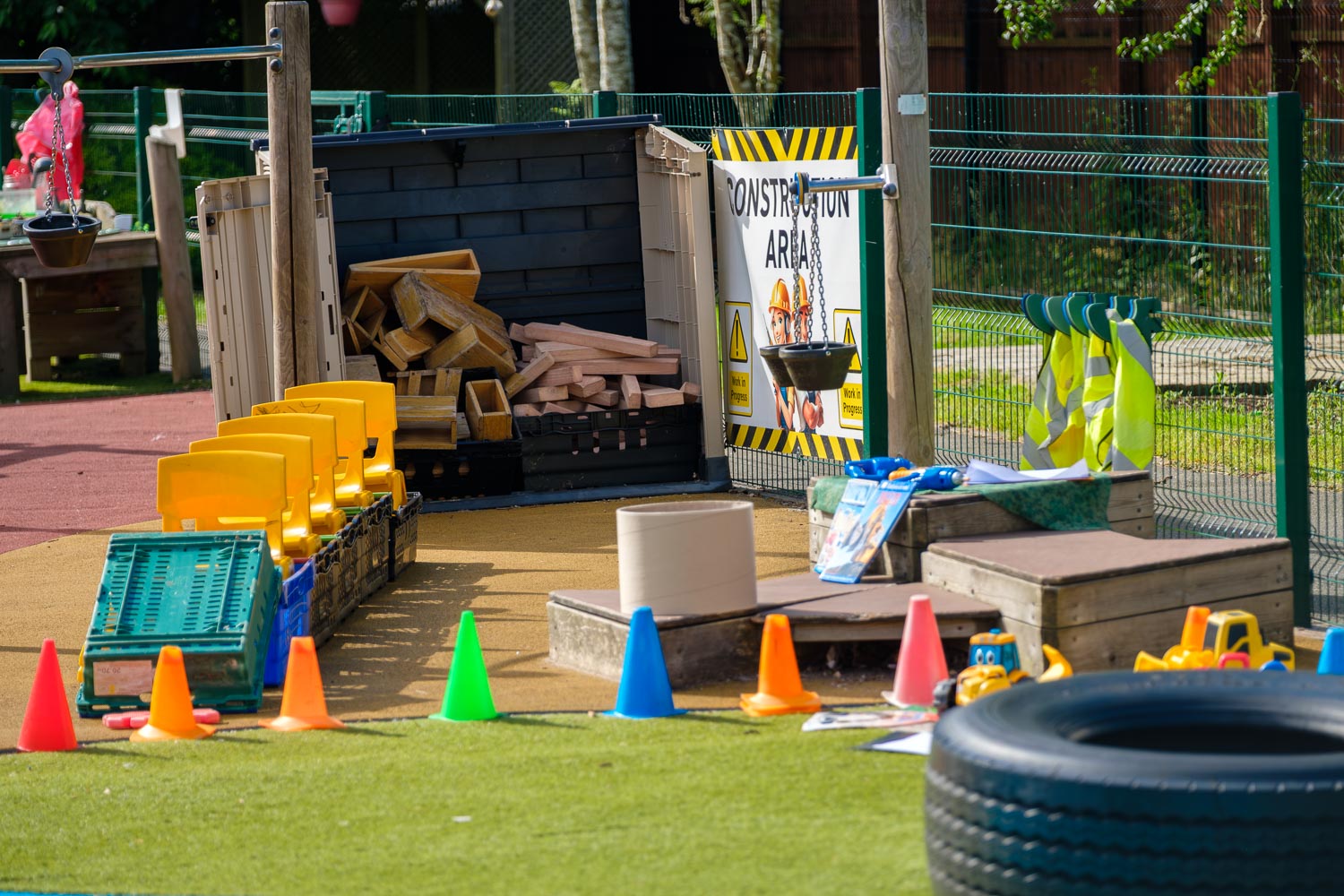
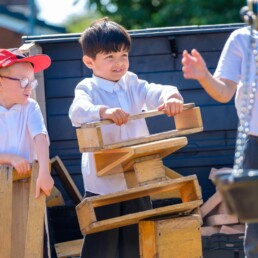
Early communication and language is supported through a range of outdoor activities such as den building, construction play, problem solving and investigative activities to encourage active discussion with peers.
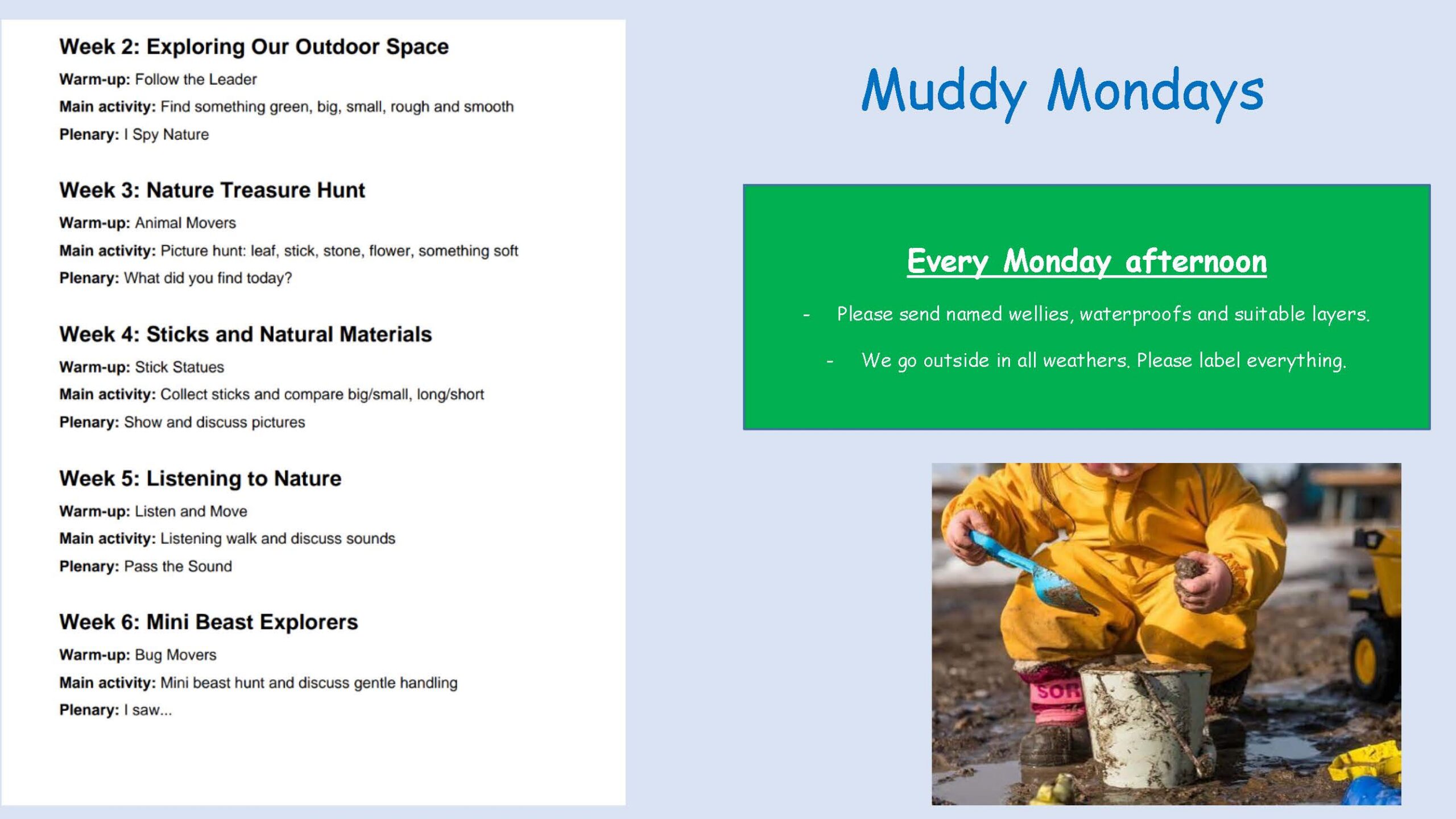
Physical development in the outdoors is something we pride ourselves on. Our EYFS outdoor area has specific zones for physical development as well as this being planned in to other areas of learning such as den building, balancing and role play activities and routines such as the children getting out and packing away the equipment. Children are further supported with their physical development through outdoor PE sessions.
Practice is improved upon year by year by working with networking with our local schools, liaising with the EYFS hubs, Early Years Forum, SENMAS, our Education Mental Health Practitioner – Laura, our Family Support Officer, Education Advisors, External Training Providers (e.g. NCETM), as well as Specialist Educational Consultants who have delivered and monitored Walkthru coaching.
The following areas are available to children at all times and feature opportunities for reading, writing and maths.
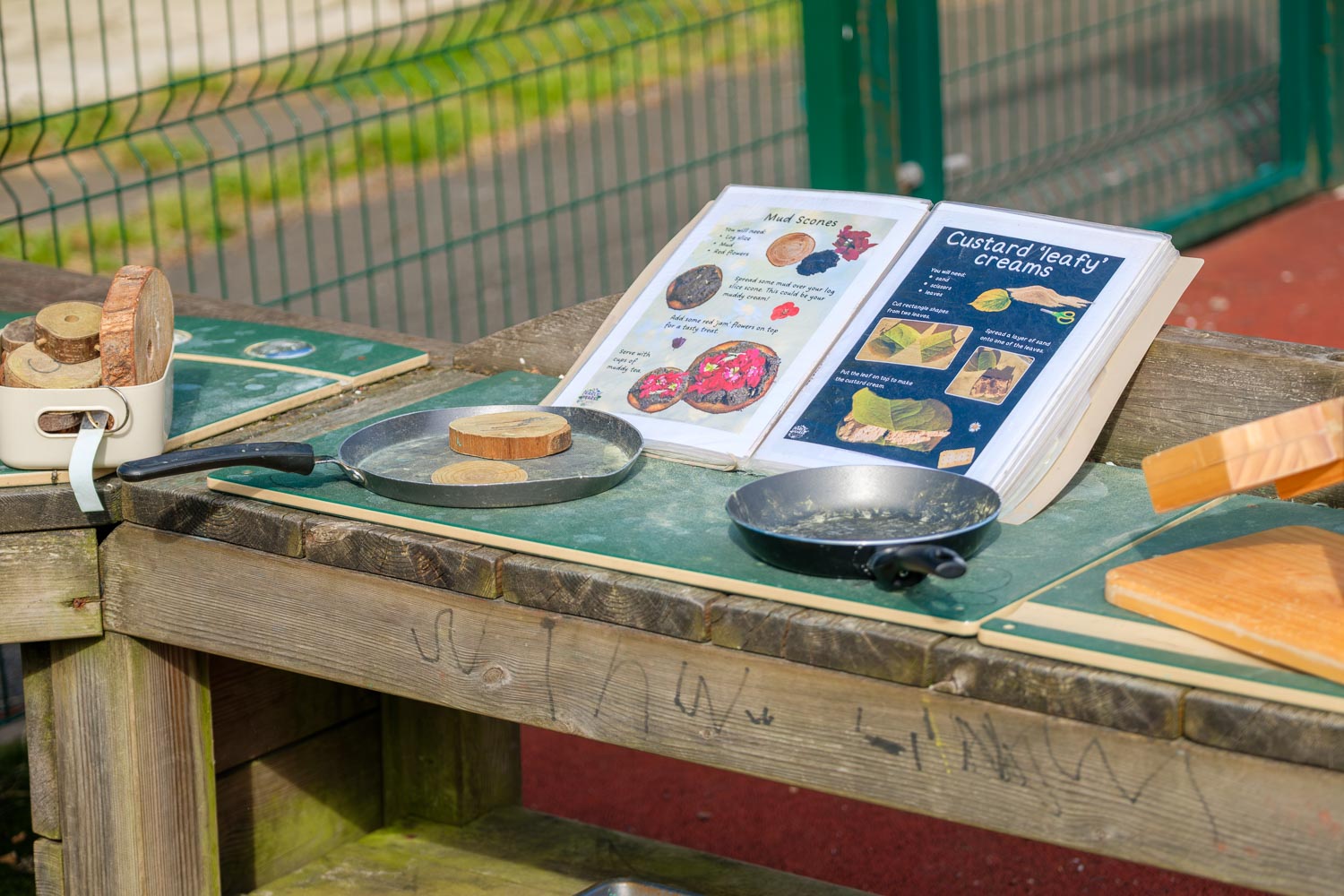
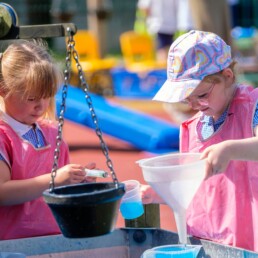
• Mud kitchen
• Den Building
• Large Loose Parts / Construction
• Reading
• Writing Tools Shed
• Role play
• Thematic Small World Area
• Musical Instruments and Stage
• Bird watching/Nature Bug Hotel
Impact
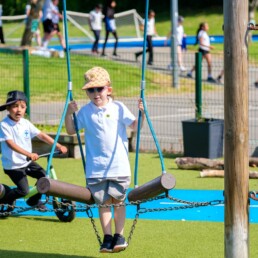
As our pupils spend time outdoors exploring, investigating, climbing and self-selecting their resources, we enable them to:
• Become independent, resilient learners who are not afraid to take calculated risks.
• Become problem solvers, team workers, and deep thinkers.
• Leave the Early Years Department fully prepared for their transition into Year One.
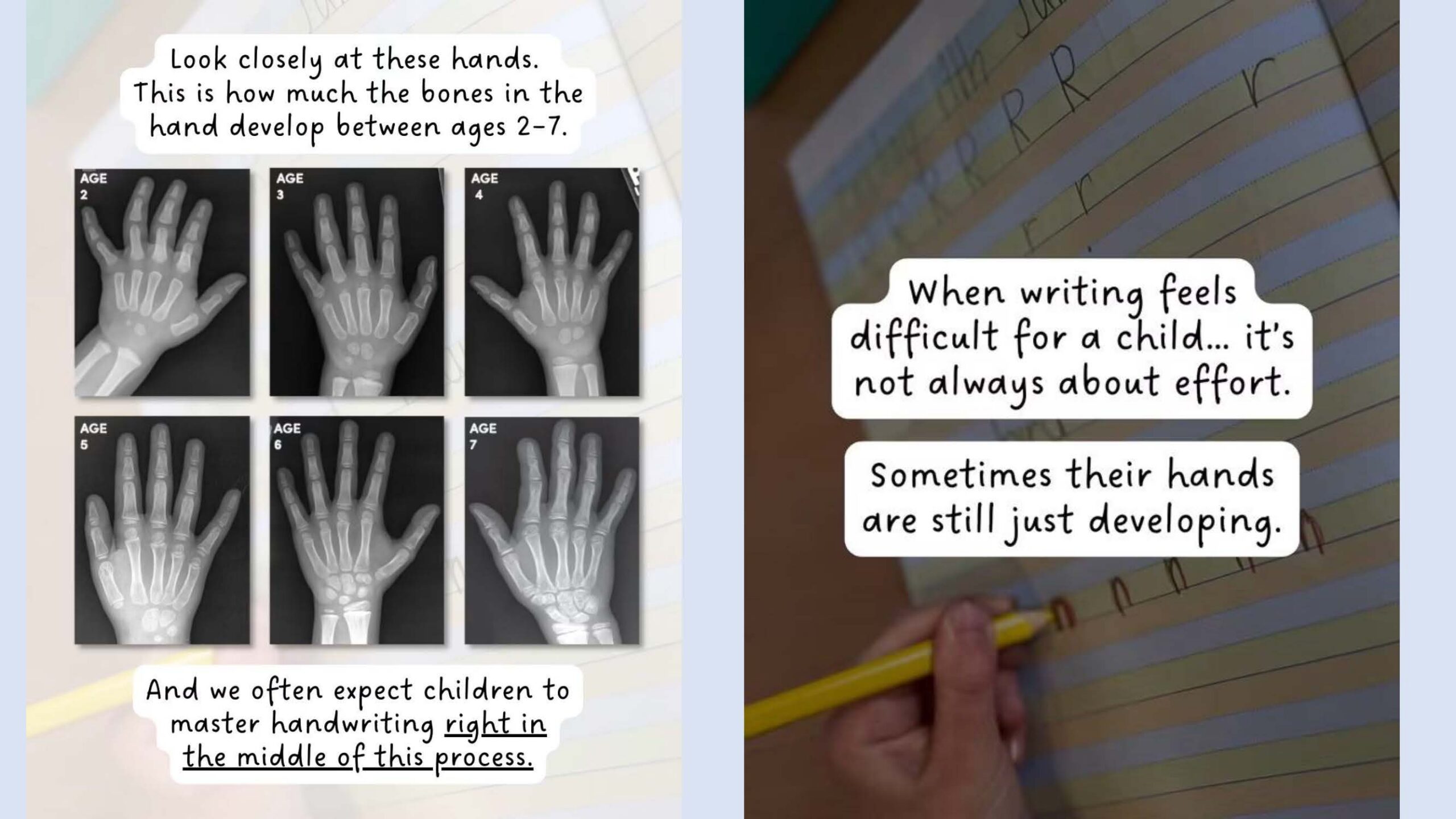
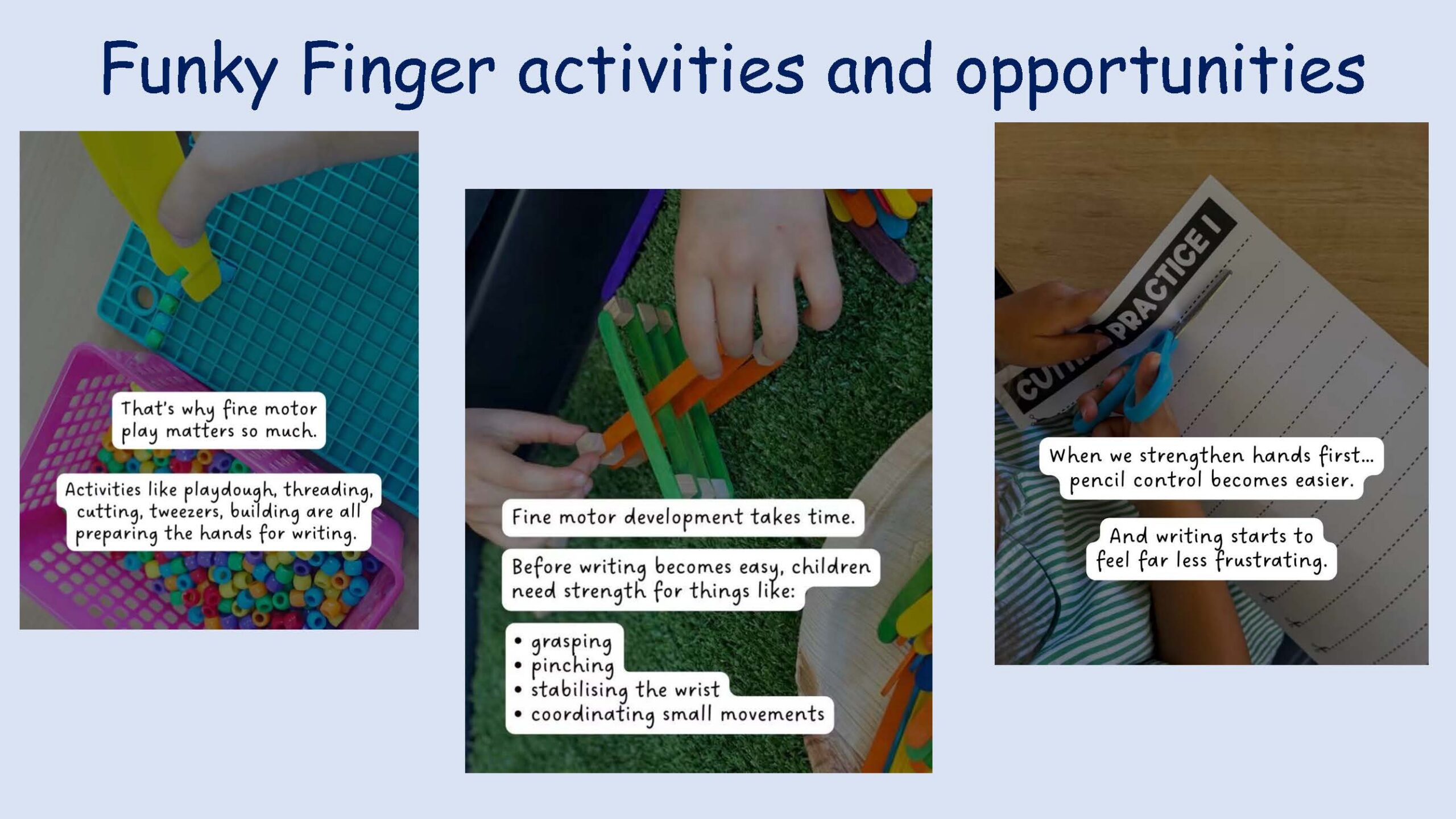
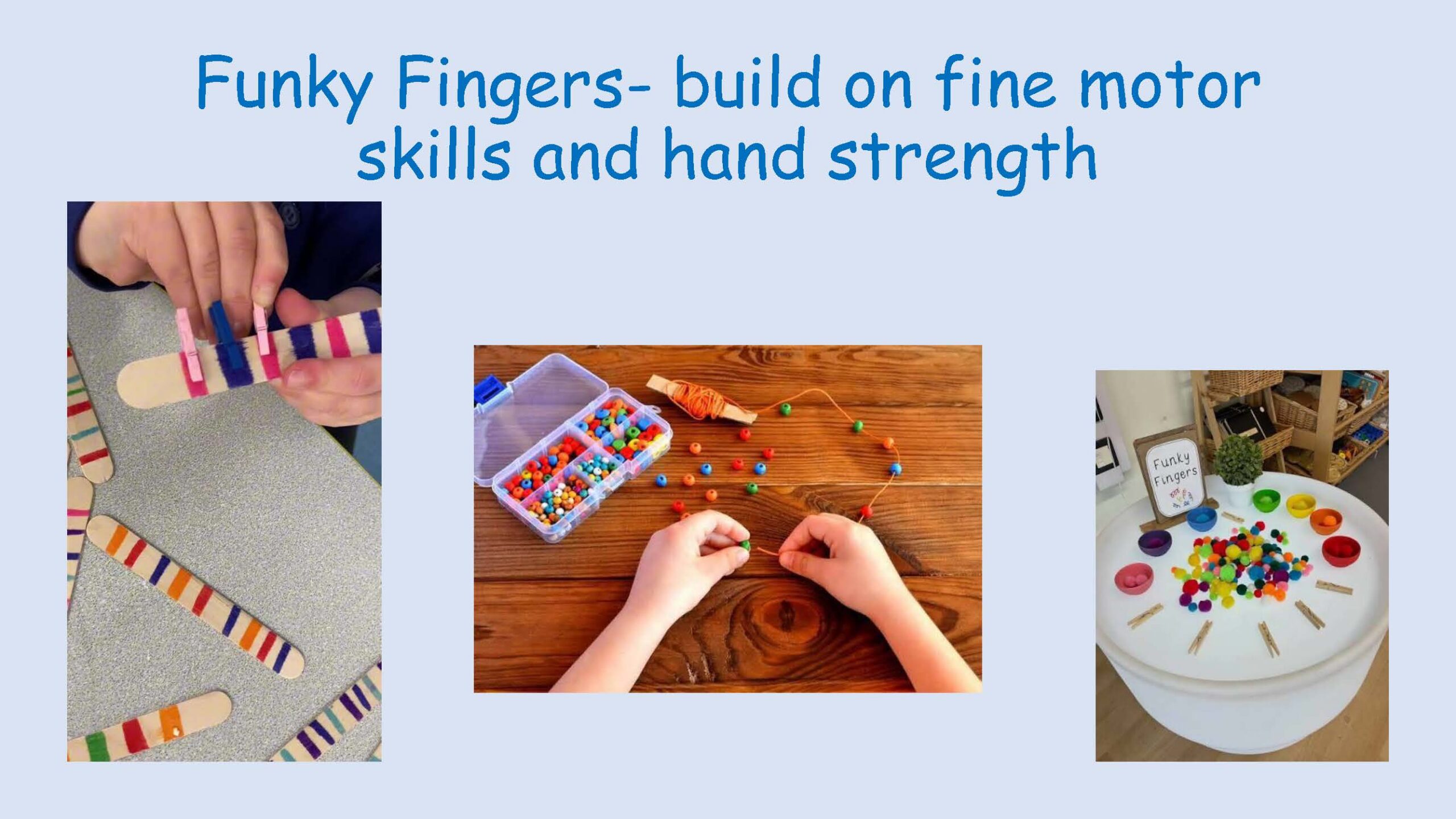
• Develop fine and gross motor skills that help aid them in their everyday life skills.
• Make excellent progress with their physical development and personal, social and emotional skills ensuring that most children reach the expected level of development at the end of the foundation stage.
• Have a love of nature and be curious and inquisitive about the natural world.
• Know how to work with their peers in a positive way and how to deal with conflict positively.
• Be happy, healthy and understand the importance and benefits of being outdoors.
EARLY YEARS CURRICULUM
The Early Years Framework encourages experiential learning through play, with focus to broadening opportunities and exposure to a plethora of experiences.
Primarily we strive to encourage children to be independent learners. For this we get to know the children and help them enhance their social skills. These along with our school values (Friendship, Compassion and Endurance) help the children to become engaged and curious learners.
As a Foundation Stage class, the children in nursery and reception are exposed to the same topics. The experiences and support are tailored to the individual children’s needs and their learning is scaffolded to ensure that they are presented with achievable challenges (and importantly – lots of fun!).
PLANNING
We are absolutely delighted to share the outcomes of our recent Early Years parent survey.
The feedback reflects the strong partnership we have built with our families and reassures us that we are working together to provide the very best start for every child.
It is incredibly pleasing to know that parents feel informed, supported and connected to their child’s learning journey, and that we are truly working in partnership and sharing the same goals for our children.
The overwhelmingly positive feedback highlights the caring, nurturing and engaging environment we strive to create every day in Early Years. We are especially proud that 100% of parents reported that their child is happy, feels safe and enjoys coming to school, while also recognising the progress children are making across key areas such as communication, reading, phonics and mathematics.
Parents also told us that they value the memorable experiences we provide, the strong communication from staff and the support available for children with additional needs. We are incredibly proud that families feel comfortable approaching our team and confident that their children are well cared for and supported.
We would like to thank all parents for taking the time to share their feedback and for continuing to work alongside us. Your support, trust and partnership are invaluable as we continue to help every child thrive, learn and flourish in Early Years.

Mrs. C. McDonald, Head of EYFS
Survey Results